Sunset Surf: Beautiful, but Plan for Daylight
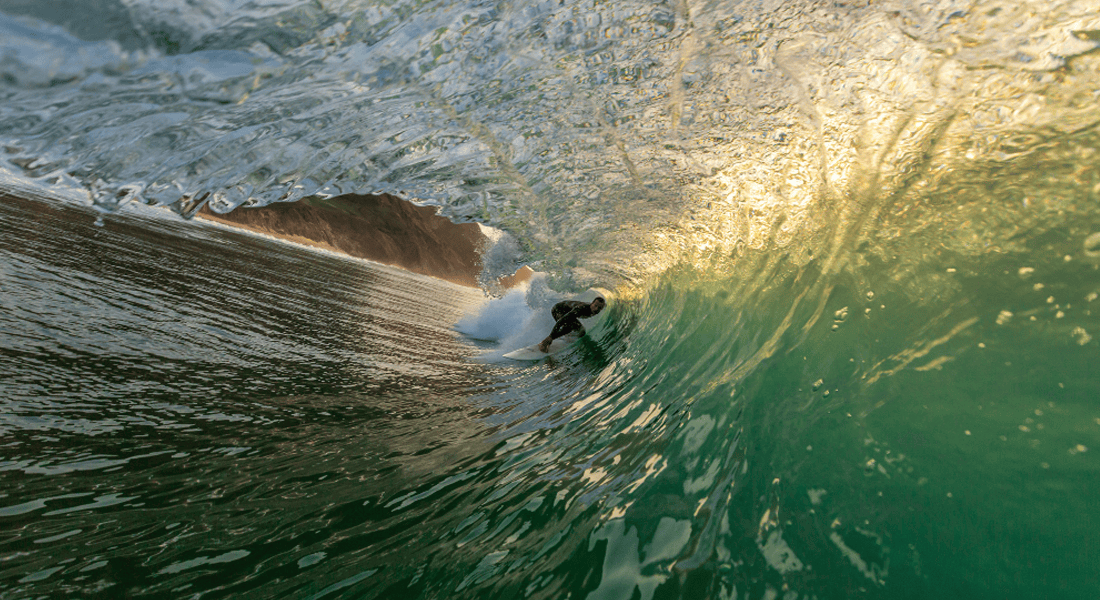
As the day winds down, sunset can be one of the most memorable times to surf. The light changes, the beach atmosphere softens, and some surfers enjoy finishing the day in the water. Winds may ease toward evening in some weather patterns, but they do not always do so, and crowds do not necessarily disappear.
The main appeal is the experience rather than a guaranteed improvement in wave quality. Ocean water temperature usually changes far less over a single day than the air does, so do not count on noticeably warmer water at sunset. Instead, check the wind, tide, swell, and remaining daylight just as you would for any other session.
The biggest limitation is daylight. Darkness can arrive quickly, making it harder to see waves, other surfers, reef, and your route back to shore. Plan enough time to exit the water safely before visibility becomes poor rather than squeezing in one last wave after conditions are difficult to read.
What Really Determines the Best Time to Surf?
No matter what time of day you prefer, these variables usually matter more than the hour on the clock.
Tides: High tide, low tide, and the stages between them can change how and where waves break. Some spots work better with more water, while others become more consistent at a lower tide. Learn the break and check the tide schedule rather than assuming one tide is best everywhere.
Wind: Light offshore wind can help hold up and smooth a wave face, while stronger onshore wind often makes the surface bumpier and the waves less organized. Wind direction is relative to the beach, and local patterns can change quickly, so use a current forecast instead of relying only on the time of day.
Swell Direction and Period: A break responds differently depending on where swell energy is coming from and how much energy it carries. The coastline, reefs, and offshore contours can block, focus, or reshape that swell. Size alone does not tell the full story.
Swell Size and Skill Level: The best conditions for an advanced surfer may be inappropriate for a first-timer. Match wave size, power, and crowd level to your ability. If you are unsure, private surfing lessons can provide one-on-one guidance tailored to your experience and comfort in the ocean.
Local Break and Safety: Reef, sand, currents, entry and exit points, and local rules all affect whether a session is suitable. Before surfing a new area, observe the lineup, understand surf etiquette, and review local information. Ohana Surf Project also maintains Waikiki surf FAQs covering common lesson and preparation questions.
Find the Right Waikiki Surf Session With Ohana Surf Project
Whether you prefer an earlier session or an afternoon paddle, there is no universally correct hour to surf. The better approach is to combine the day’s wind, tide, swell, and crowd conditions with your own experience level. A good forecast for one break or surfer may be a poor fit for another.
Ohana Surf Project offers surfing lessons in Waikiki for first-time surfers through advanced riders, with instruction tailored to individual skill level, goals, and comfort in the water. Current lesson options include morning, midday, and afternoon sessions, so you can choose a format and time that fit your plans while learning with an experienced team.
Explore our surfing lessons in Waikiki to compare group, private, family, semi-private, and advanced coaching options before choosing the session that best fits your plans.
Already comfortable surfing independently? Explore Ohana Surf Project’s surfboard rentals in Waikiki and choose from a range of board types and rental durations. If you would rather have guidance in the water, book a lesson and let our team help you build confidence, improve your technique, and enjoy Waikiki surf conditions with safety and aloha at the center of the experience.
FAQs
What is usually the best time of day to surf?
Early morning is popular because winds are often lighter, but it is not automatically the best time. Tide, swell, wind direction, local break characteristics, crowds, and your skill level should all be considered together.
Is morning always better than afternoon for surfing?
No. Morning can offer cleaner conditions on many days, but afternoon surf can also be excellent when the wind and tide cooperate. Check the current forecast for the specific break before deciding.
What conditions are best for beginner surfers?
Beginners generally benefit from smaller, more manageable waves, appropriate tide and wind, good visibility, and a break suited to learning. Professional instruction can also help beginners understand positioning, safety, and wave selection.
Do tides determine the best time to surf?
Tides are important, but there is no single best tide for every surf spot. Some breaks prefer more water and others work better at lower stages. The ideal tide depends on the local reef, sandbar, coastline, and swell.