Quick Summary

Summer is the more active surf season on Oahu's South Shore, including Waikiki, because south swells bring more size and energy. Winter shifts the biggest surf to the North Shore, while Waikiki is generally smaller. Wind, daily swell direction, water temperature, and crowds still shape individual sessions. The best season depends on the coast, your skill level, and the type of waves you want to surf.

blog-intro-new-bg-img
Summer Vs. Winter Surfing: Which Season Offers The Best Waves? Summer Vs. Winter Surfing: Which Season Offers The Best Waves?
Blogs

Summer Vs. Winter Surfing: Which Season Offers The Best Waves?

Waikiki draws surfers year-round, but Oahu's surf seasons depend heavily on which shore you are surfing. Summer is when the South Shore receives its larger south swells, while winter sends the biggest North Pacific energy to the North Shore.

At Ohana Surf Project, we have spent years reading these seasonal shifts on the South Shore. Understanding how summer and winter affect different parts of Oahu makes it easier to choose conditions that match your experience, goals, and comfort in the ocean.

What Surfing Summer in Waikiki Looks Like

Surfing summer on Oahu's South Shore is the main season for south swells, so Waikiki can see more size, energy, and consistency than it does in winter. Stronger swells can produce faster, more powerful sets, while protected and reforming areas can still offer manageable waves for learners.

The North Shore is generally flat in summer, so surfers who spend the winter up north often come south when the season changes. Waikiki remains accessible to a wide range of surfers because conditions vary by break and by day; beginners and families can still find appropriate waves with experienced guidance. Ohana Surf Project's surfing lessons in Waikiki are tailored to the student's skill level and the conditions in the water.

Why Winter Brings Oahu's Biggest Surf to the North Shore

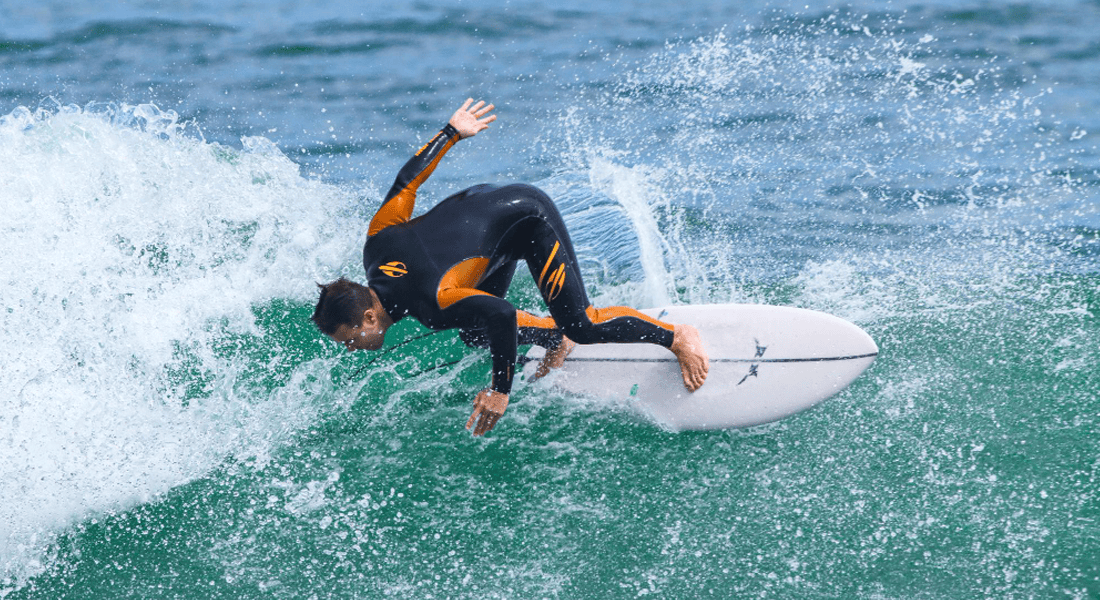
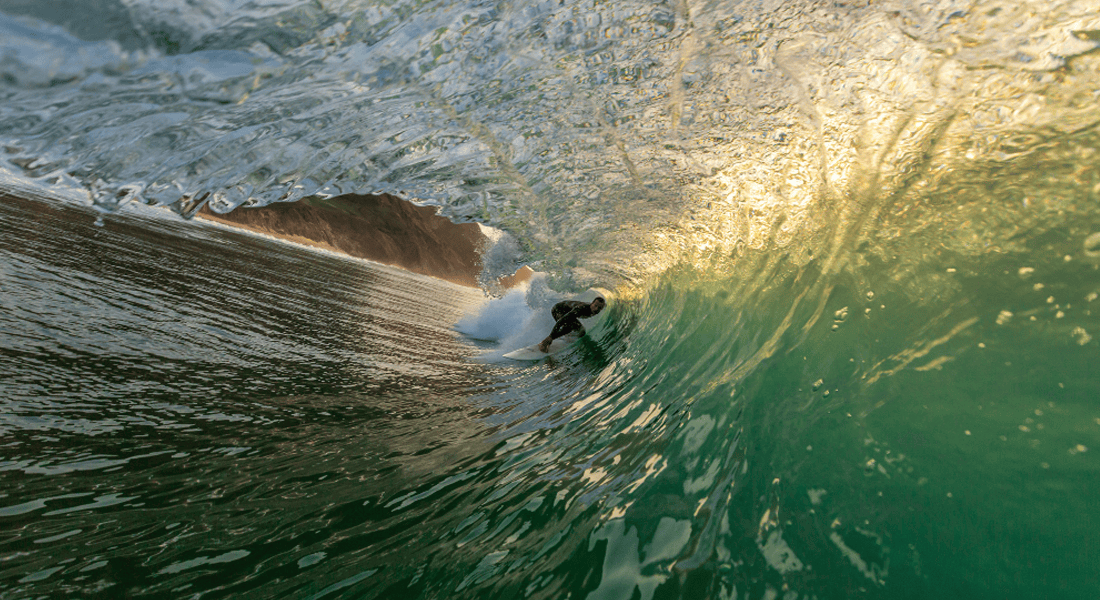
Winter swells are generated by storms in the North Pacific and primarily light up Oahu's North Shore. This is the season when famous North Shore breaks can become exceptionally large and powerful, attracting experienced and professional surfers from around the world.

South Shore spots such as Waikiki do not receive those north swells in the same way. In general, Waikiki's surf is smaller in winter than in summer, although wraparound energy, local wind, and occasional off-season swells still create surfable days most days.

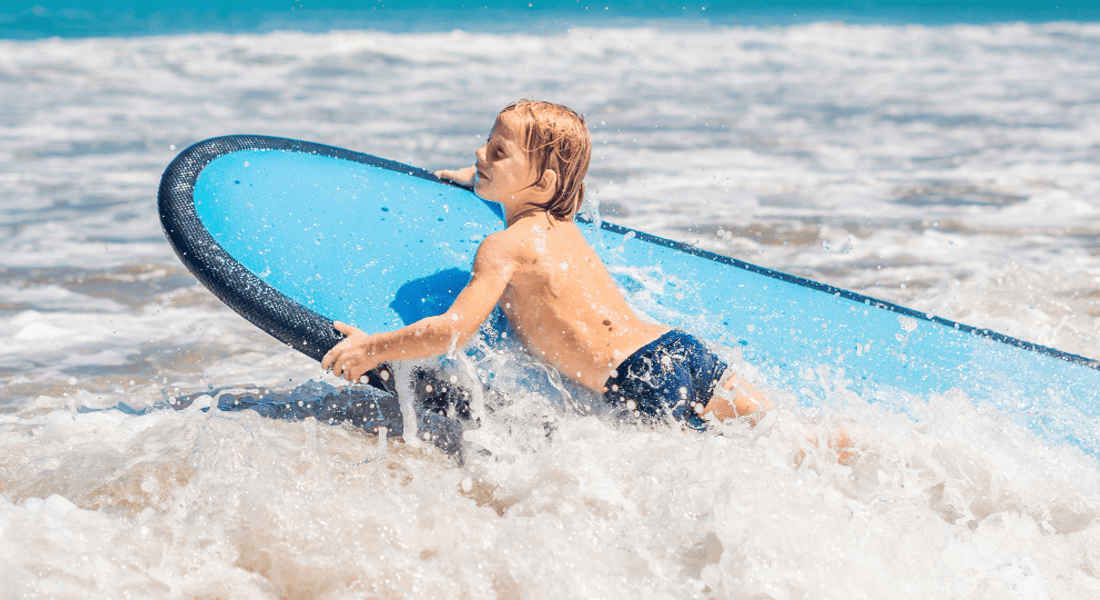
For a newer surfer, the key is not simply choosing summer or winter but matching the day's conditions to your ability. Private surfing lessons in Waikiki provide one-on-one coaching that can help you understand wave selection, positioning, and ocean conditions while progressing at an appropriate pace.

Comparing Wind, Water, and Crowds Across Seasons

A season is not just about wave height. Swell direction, wind, water temperature, crowds, and daylight all affect how a session feels:

  • Wind: Trade winds are common in Hawaii, so paying attention to the wind when you surf is important
  • Water temperature: Hawaii stays warm enough for surfing year-round, although some surfers prefer a light top or rash guard during cooler winter periods
  • Crowds: Waikiki can be busy year-round, and good summer South Shore swells may bring additional experienced surfers south while the North Shore is flat
  • Daylight: Summer offers longer daylight hours, giving surfers more flexibility when planning a session
  • Swell pattern: South Shore surf is generally more active in summer, while North Shore surf becomes much more active in winter; day-to-day conditions still depend on individual swell events

Learn More About Us
Summer Vs. Winter Surfing: Which Season Offers The Best Waves? Summer Vs. Winter Surfing: Which Season Offers The Best Waves?

Choosing the Season That Fits Your Goals

Deciding between summer and winter surfing starts with where you plan to paddle out. For beginners learning in Waikiki, both seasons can work, but winter often brings smaller South Shore surf. During summer, choosing the right break and checking the day's swell becomes especially important when larger south swells arrive.

Intermediate and advanced surfers looking for more energetic South Shore waves often favor summer. Surfers specifically chasing Oahu's biggest North Shore surf look to winter, but those powerful conditions can be dangerous and are not appropriate for inexperienced surfers. Neither season is better across the board; the right choice depends on your ability, goals, and location.

A family trip built around beginner instruction does not need to be limited to one season. Ohana Surf Project offers family surfing lessons with personalized support, and the lesson format can be matched to age, swimming ability, experience, and the conditions on the day.

What to Bring for a Summer Surf Session in Waikiki

A few small items make a summer session easier from start to finish. Reef-safe sunscreen protects your skin during longer days in the water, and a rash guard adds extra coverage without needing a full wetsuit.

Bring plenty of water, since warm temperatures and time in the sun add up quickly. A light towel and change of clothes make the walk back from the beach more comfortable too.

Renting a board on site is often simpler than traveling with one, especially for visitors staying near Waikiki for just a few days. Ohana Surf Project offers surf rentals in Waikiki for surfers who are comfortable heading out independently.

Plan Your Next Session With Ohana Surf Project

Waikiki offers surfing throughout the year, but its seasonal pattern is the opposite of Oahu's North Shore: the South Shore generally becomes more active in summer and smaller in winter. Understanding that difference helps you choose conditions that fit your skill level instead of assuming that summer always means small waves and winter always means bigger surf.

Whether your visit falls in summer or winter, Ohana Surf Project can help you choose a lesson that matches your goals and comfort level. Learn more about what sets our personalized surf instruction apart and plan a Waikiki surf experience built around the conditions you actually find when you arrive.

FAQs

Is summer or winter better for beginner surfers in Waikiki?

Not necessarily. Winter often brings smaller surf to Waikiki's South Shore, but beginners can learn in Waikiki year-round when the day's conditions and lesson location are appropriate for their ability.

Do winter swells affect Waikiki the same way they affect the north shore?

No. Oahu's biggest winter swells primarily affect the North Shore. Waikiki is on the South Shore, where surf is generally more active in summer and smaller in winter.

Do I need a wetsuit to surf in Hawaii?

Most surfers in Waikiki do not need a full wetsuit because the water stays relatively warm year-round. A rash guard or light top can add sun protection and extra comfort, especially during cooler or windy periods.

Which season has more consistent surf conditions?

It depends on the coast and the swell pattern. Waikiki and the South Shore generally receive more active surf in summer, while the North Shore's consistent big-wave season is winter. Daily wind and individual swell events still matter in both seasons.

BLOGS

OTHER OSP BLOGS