Quick Summary
Introducing your child to bodyboarding can be a safe and fun way to enjoy the ocean together. Start with gentle, shallow waves and the right gear, including a soft-top board, life jacket, and fins. Teach basic safety rules on land, practice prone (face down) position, and stay close for guidance. Gradually let your child try short rides on small waves, praising each success. Lessons and rentals from Ohana Surf Project help build confidence and ensure a safe, enjoyable experience for beginners.
How To Safely Introduce Your Child To Bodyboarding
Body boarding with kids is a great way to share quality time and create lasting memories at the beach. At Ohana Surf Project, we teach families how to enjoy the ocean safely while having fun. Our lessons introduce children to bodyboarding step by step, helping them gain confidence and develop proper techniques.
Why Bodyboarding Is Great For Kids
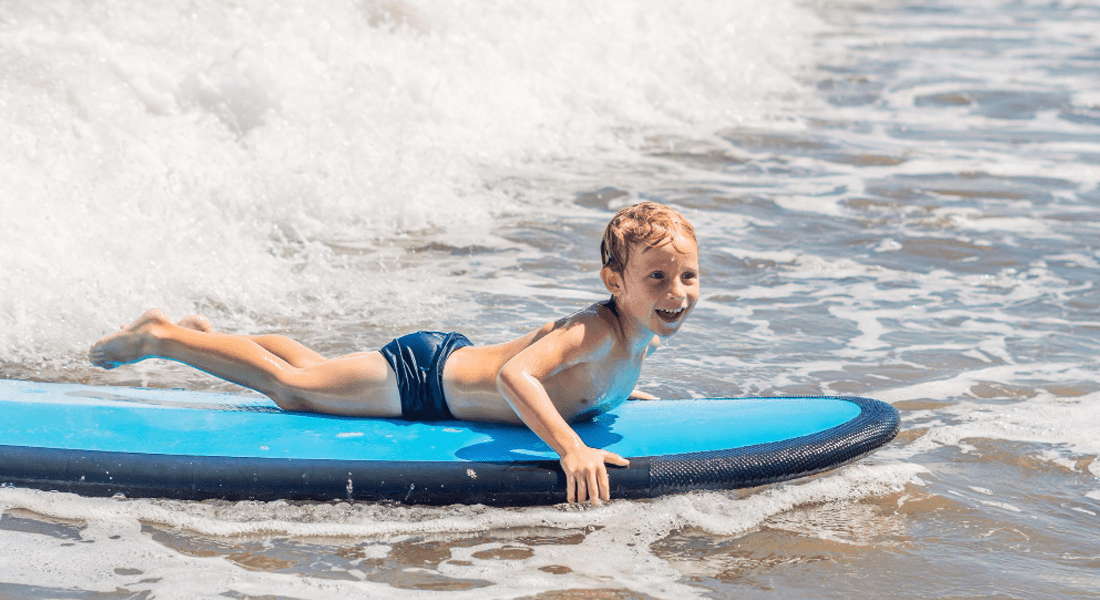
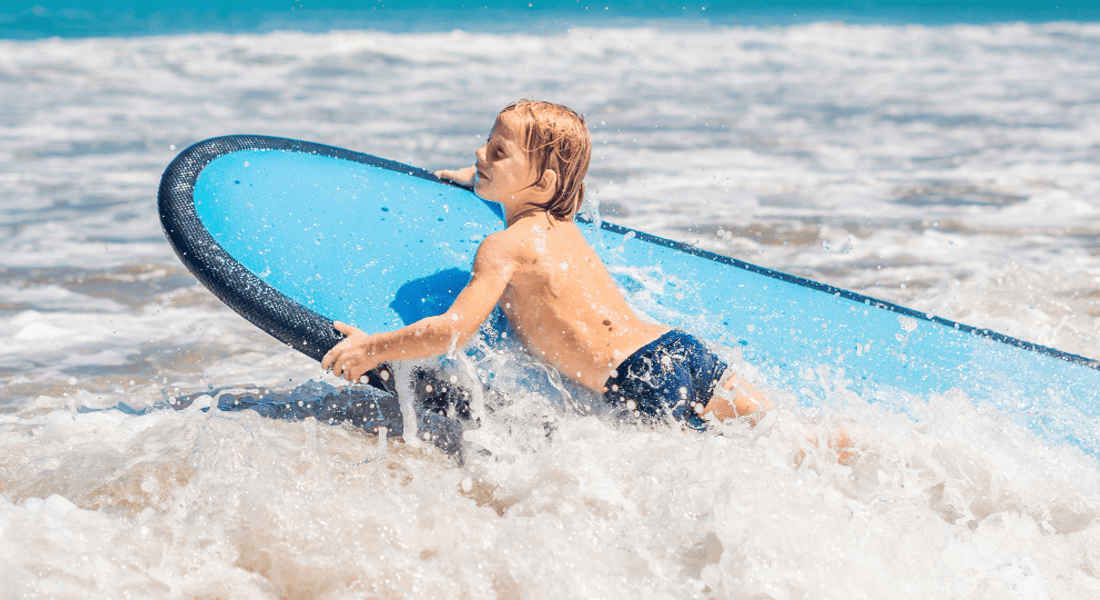
Bodyboarding gives children the chance to ride waves while lying prone (face down) on a soft board. The board creates support and gains speed from the wave.
It is an enjoyable activity that helps improve balance, build water confidence, and develop a lasting appreciation for the ocean.
Choose The Right Gear
The correct equipment is important for safe body boarding with kids. Use a board sized for your child. Soft‑top boards reduce bumps. Rash guards protect from sun and board rub. Fins help with kicking and controlling the board.
Check Beach Conditions
Gentle waves are best for beginners. Avoid beaches with strong or large waves. Watch the wind: strong trade winds (winds blowing across the ocean) can make water choppy. Pick calm days for first lessons to build confidence.
Teach Safety Rules On Land
Explain basic ocean rules before entering water. Let children feel the sand under their feet. Show them how to hold the board and lie prone with hips up. Explain that waves move fast and to look toward the beach after riding. Practicing on dry sand first helps children gain control.
Start In Shallow Water
Enter water that is no deeper than your child’s chest. Hold the board until they balance. Let them feel the float of the board. Gradually move into small waves as they become comfortable.
Learn More About Us
Catch Small Waves
Use white water waves (already broken and moving slowly toward shore). Position the child so the wave approaches behind them. Lie prone on the board and kick with fins to match wave speed. Look toward shore while holding the board.
Stay Close And Support
Stand near the child to offer calm guidance. Praise small successes. Celebrate every ride, even short ones. Encourage repeated attempts to build confidence.
Step Back Gradually
As balance improves, let the child try short sections alone. Always watch closely. Gradually increase wave size while maintaining safety. Small progress builds skills and confidence.
Why Ohana Surf Project Helps Families
Our instructors guide families one‑on‑one or in small groups. Lessons cover board handling, wave timing, and ocean awareness. Bodyboard rentals are available for extra practice. We focus on making bodyboarding safe, enjoyable, and memorable.
Enjoy Your First Bodyboarding Experience
Bodyboarding with kids can be joyful and memorable. Start in shallow water, teach simple skills, and celebrate every success. Ohana Surf Project is happy to answer any questions you might have and help you get started on your bodyboarding journey today!
Frequently Asked Questions
How old should a child be to start bodyboarding?
Children as young as five can start, but they must follow instructions and feel comfortable in shallow water.
Do I need to bring my own board?
No. Ohana Surf Project provides bodyboards, fins, and safety gear suitable for kids.
Is it safe on windy days?
Strong trade winds can make water choppy. Light wind days with small waves are safest for beginners.

OTHER OSP BLOGS
How To Perfect Your Air Roll Spin (ARS) In Bodyboarding
Perfecting the Air Roll Spin (ARS) in bodyboarding combines timing, balance, and proper wave selection. Start with small, gentle waves and a board suited for aerial maneuvers. Focus on takeoff[...]