Quick Summary
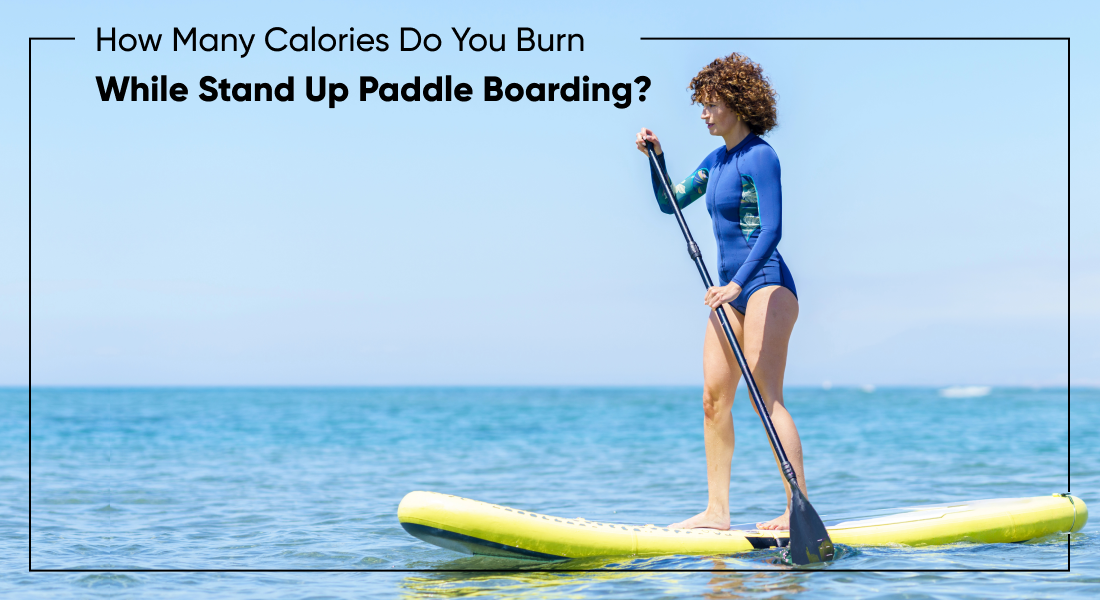
Stand-up paddleboarding burns roughly 300 to 500 calories per hour at a moderate pace, and hard efforts can top 700. Body weight, intensity, skill level, and water conditions all shape the final number. The sport tones your core, upper body, and legs and boosts heart health without stressing your joints. Interval sprints, efficient technique, and SUP yoga add even more burn.
How Many Calories Do You Burn While Stand-Up Paddleboarding?
Gliding across turquoise water on a paddleboard might feel more like a vacation than a workout. However, stand-up paddleboarding can deliver a substantial workout, with calorie expenditure comparable to jogging or cycling during certain sessions. SUP combines physical activity with relaxation and outdoor adventure, making it an appealing way to stay active without spending every workout in a gym.
At Ohana Surf Project in Waikiki, we see guests discover the fitness benefits of paddleboarding while enjoying the beauty of Oahu's coastline. Our lessons introduce beginners to the sport and help experienced paddlers refine their technique.
Calories Burned While Stand-Up Paddleboarding: Why SUP Works So Well
Paddleboarding keeps your whole body busy. Your core holds you steady, your arms and back power each stroke, and your legs make constant small adjustments for balance. This nonstop teamwork burns energy without feeling like a grind. Trying stand-up paddleboarding lessons in Waikiki is a fun way to learn efficient strokes and get more out of every session.
How Many Calories Do You Burn Stand-Up Paddleboarding?
The number of calories burned during stand up paddle boarding varies depending on your intensity, the type of water, and your body weight. On average, you can burn 300 to 500 calories per hour of moderate paddleboarding. If you're putting in more effort, paddling hard and working your core, you might burn 700 to 800 calories per hour.
Factors that affect calorie burn:
- Body Weight: Heavier individuals generally expend more energy performing the same activity at a comparable intensity. For example, a person weighing 200 pounds will typically burn more calories than someone weighing 160 pounds during an otherwise similar session.
- Intensity: Relaxed paddling on calm water requires less energy than maintaining a fast pace or completing repeated sprints. The harder your muscles work, the more energy you use.
- Skill Level: Beginners may expend additional energy while learning to balance, correcting their posture, and coordinating their strokes. Experienced paddlers often move more efficiently, although they can still achieve a demanding workout by increasing speed or duration.
- Water Conditions: Wind, currents, and choppy water can increase resistance and require greater effort. These conditions can raise energy expenditure, but they may also make paddling more difficult or less safe for inexperienced participants.
Your session length matters, too. A relaxed 30-minute paddle generally burns fewer total calories than an hour on the water, even if both sessions maintain a similar pace.
Rather than focusing exclusively on calorie estimates, consider how regularly you paddle and whether your sessions gradually improve your stamina, strength, and comfort on the board.
The Benefits of Stand-Up Paddleboarding for Fitness
SUP is more than a recreational water sport. It combines muscular engagement, balance training, and cardiovascular activity in a low-impact format that suits many fitness levels.
- Core Strength: Paddling requires a lot of balance and stability, which activates your core muscles. As you paddle, your core keeps you steady and helps you stay upright on the board. The twisting motion while paddling also strengthens your abdominal muscles. This is one of the primary reasons SUP is such a great exercise for building core strength.
- Upper Body Strength: Your arms, shoulders, and back work hard while paddling. Pushing the paddle through the water engages your deltoids (shoulders), triceps, biceps, and even your back muscles. Over time, you'll build upper body strength, which is great for overall fitness and improving posture.
- Leg Strength and Balance: Even though SUP primarily works your upper body, it still engages your legs. Your thighs, calves, and feet have to stabilize your body on the board. The constant need to balance strengthens your lower body, particularly your legs, as they support your movements.
- Cardiovascular Health: SUP can be an excellent cardiovascular workout, especially if you paddle fast. Your heart rate increases with each stroke, and as you paddle longer, you build stamina and endurance. SUP can also improve cardiovascular health while you enjoy the beauty of the ocean.
How To Maximize Calorie Burn While Stand-Up Paddleboarding
If you're looking to burn more calories while stand-up paddleboarding, there are a few ways to step up your workout:
- Paddle Faster: The faster you paddle, the more energy you’ll burn. Try increasing your speed in short bursts, similar to interval training.
- Work on Your Technique: Good paddle technique means you’re using your muscles efficiently. Focus on using your whole body with each stroke to maximize the workout.
- Choose More Challenging Water: Paddling in choppy, rough waters requires more energy. Try paddling in a more challenging environment for an extra calorie burn.
- Try SUP Yoga or SUP Fitness Classes: SUP isn’t just about paddling. Some people enjoy doing yoga or strength training while on the water. These activities can increase your heart rate and further engage your muscles.
If you’re new to SUP or just want to improve your skills, Ohana Surf Project offers lessons to help you get the most out of your time on the water. Our expert instructors can help you develop proper technique and understand how to optimize your paddleboarding experience for fitness and fun.
Calorie Burn Comparison: Stand-Up Paddle Boarding vs Other Activities
When comparing calories burned from stand-up paddleboarding to other activities, SUP stands up pretty well. Here’s a rough breakdown of how it compares to other common activities:
- Running: Running at a moderate pace of 5 mph burns about 500-600 calories per hour.
- Cycling: Moderate cycling burns around 400-600 calories per hour.
- Swimming: Moderate swimming burns about 400-500 calories per hour.
- Yoga: Depending on the style, yoga can burn anywhere from 200 to 400 calories per hour.
For full-body workouts that also engage your core, SUP compares favorably to other outdoor and water sports. Plus, you’re getting the added benefit of fresh air, beautiful scenery, and the calming effect of the water. It’s a win-win!
How Stand-Up Paddleboarding Fits Into Your Fitness Routine
The number of calories burned during stand-up paddleboarding can make it a great addition to your fitness routine. If you're already exercising, you can use SUP as a low-impact cross-training activity. It offers a break from the high-intensity workouts while still giving you an excellent full-body workout.
SUP is also a great way to build endurance. The more you paddle, the stronger and more resilient your muscles become. Many people also find that it helps them with balance and coordination, skills that are transferable to other sports or daily activities.
Join Us for Stand-Up Paddleboarding Lessons
At Ohana Surf Project, we offer stand-up paddleboarding lessons to help you learn proper technique, build confidence, and maximize your fitness benefits. Our experienced instructors will guide you through each step, ensuring you paddle efficiently and safely. Whether you're a beginner or experienced, we’ll tailor the lesson to suit your skill level.
We offer stand-up paddleboard rentals so you can enjoy the sport at your own pace. Plus, we capture your best moments on the water with photos that you can keep as memories of your adventure!
So, how many calories do you burn stand-up paddleboarding? The answer depends on several factors, but SUP is clearly an excellent workout. It’s a fun, low-impact way to burn calories while improving your strength, endurance, and balance. Whether you're paddling in calm waters or challenging conditions, you'll get a full-body workout while soaking in Oahu's beautiful views.
If you’re ready to give it a try, we’re here to help. At Ohana Surf Project, we offer lessons and rentals for stand-up paddleboarding, surfing, and bodyboarding, all with a focus on customer service and high-quality experiences. Join us for a lesson and see for yourself how fun and rewarding stand-up paddleboarding can be!
FAQs
Is stand-up paddleboarding good for weight loss?
SUP can support a weight-loss plan when paired with balanced eating and regular activity. Consistency matters, so aim for a few sessions a week to see steady progress.
How long should a beginner paddleboarding session last?
Thirty to sixty minutes works well for first-timers. Shorter sessions give your balance muscles time to adapt without wearing you out, and you can paddle longer as your stamina grows.
Does kneeling on a paddleboard still burn calories?
Yes, kneeling still works your arms, shoulders, and core. It burns a little less energy than standing and makes a great way to warm up or rest in choppy water.

OTHER OSP BLOGS
How To Use A GoPro For Unique Surfing Perspectives
Surfing footage has come a long way from a single fixed angle on the beach. Learning how to use a GoPro for unique surfing angles gives you a compact way[...]