Quick Summary
Choosing the right SUP board comes down to your weight, experience level, and how you plan to use it. Board length, width, and volume all influence stability and performance. Beginners often do best with wider boards that have higher volume, while experienced paddlers may prefer narrower boards designed for speed or maneuverability. Ohana Surf Project offers lessons and rentals that let you try different boards and build confidence. Selecting the proper size improves balance, comfort, and enjoyment on the water.
How To Determine The Perfect Size SUP Board For Your Needs
If you are wondering, “What size stand up paddle board do I need?” you are beginning an exciting paddleboarding journey. At Ohana Surf Project, we help paddlers of every experience level choose the right SUP board based on weight, skill level, and intended use. Choosing the proper size improves stability, speed, and overall enjoyment on the water.
Understand SUP Board Dimensions
SUP boards are measured by length, width, and volume.
Length affects speed and tracking. Longer boards glide faster and hold a straight line. Shorter boards turn more easily but may feel less stable.
Width influences stability. Wider boards provide more balance, which is helpful for beginners or heavier riders.
Volume refers to the amount of space inside the board that allows it to float. Higher volume supports more weight. Knowing these dimensions helps answer the question, “What size stand up paddle board do I need?”
Consider Your Weight And Experience Level
Your weight has a significant impact on determining the ideal board size. Heavier paddlers typically need more volume to achieve better flotation and stability.
Beginners usually feel more comfortable on wider boards because they create a stable platform while learning balance and paddle technique. More experienced paddlers often prefer narrower boards that deliver better maneuverability and increased speed.
Our team can help match your weight and skill level with a board that feels comfortable and enjoyable.
Identify Your Intended Use
Think about how you will use the board.
- 1. Recreational paddling: Wide and stable boards are ideal.
- 2. Racing or touring: Longer and narrower boards help you glide faster.
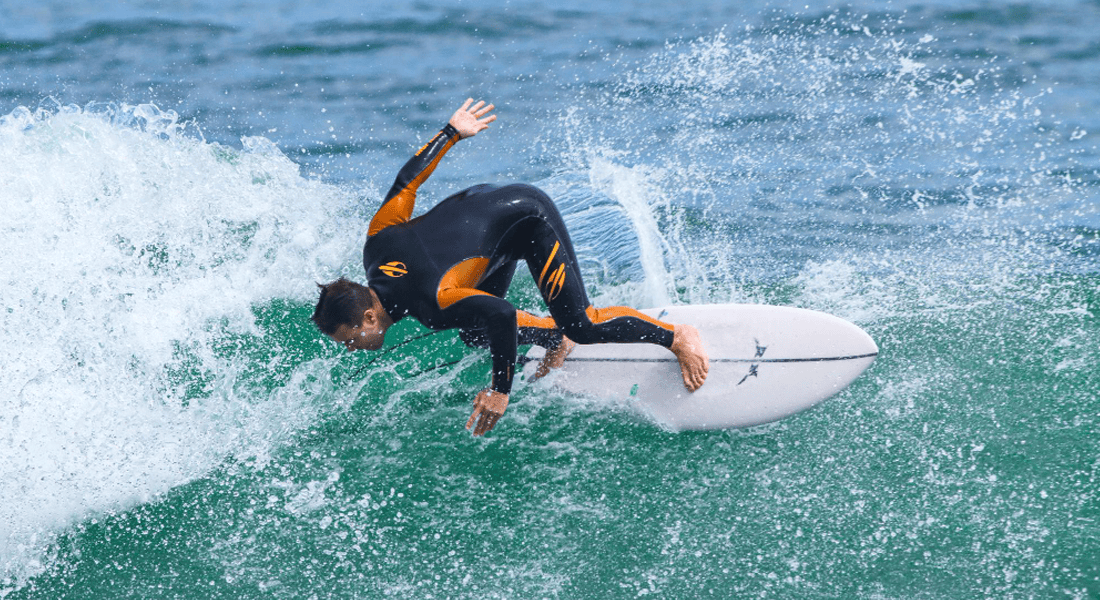
- 3. Surfing waves: Shorter boards turn more easily on wave faces.
Knowing your main purpose makes it easier to pick a board that fits your goals. Beginners often start with stable, all-around boards that work well in calm or small surf.
Learn More About Us
Account For Ocean Conditions
Wave conditions and wind affect which board is easiest to ride. Strong trade winds, steady winds that blow across the ocean, can make boards feel less stable. Flat water allows beginners to use slightly narrower boards safely.
Rough or choppy water benefits from wider boards for better balance. Observing ocean conditions at your local beach before selecting a board ensures a comfortable experience.
Test Board Stability
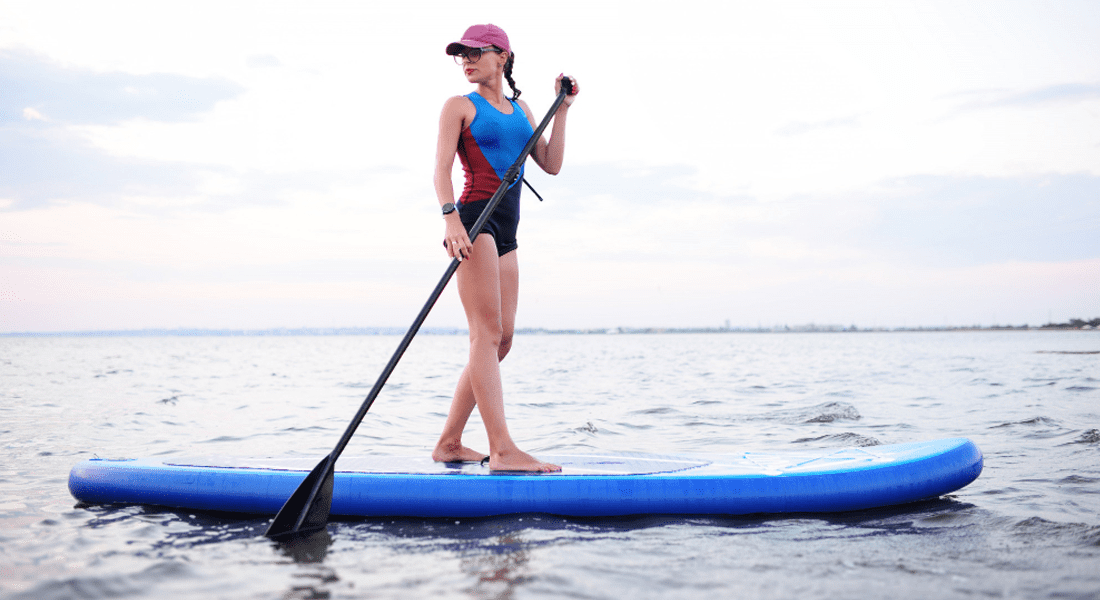
Stand up on the board in shallow water before venturing out. Your knees should bend slightly, and the board should feel steady. Rock side to side gently. If the board tips too easily, a wider or higher-volume board may suit you better.
Our instructors can provide hands-on guidance and help you adjust your stance and balance for your chosen board.
Check Paddle Length And Gear
The correct paddle length improves your control and posture. When standing, the paddle should reach about six to ten inches above your head. Using a paddle that is too short or too long affects efficiency and comfort. Don’t forget safety gear: life jackets, leashes, and sun protection are all essential for beginners.
Try Lessons And Rentals
Ohana Surf Project offers SUP lessons and board rentals, which are excellent ways to try different sizes. Rentals allow you to feel the difference between boards without committing to a purchase. Lessons teach technique, balance, and safety while testing which size works best for you.
Enjoy Paddleboarding With Confidence
Selecting the right board makes your paddleboarding experience safe and enjoyable. Focus on dimensions, weight, purpose, and ocean conditions. We are here to guide you with lessons, board rentals, and expert advice. Every ride is an opportunity to improve your skills and enjoy the water.
We are happy to answer any questions you might have and help you get started on your paddleboarding journey today!
Frequently Asked Questions
How do I know if my SUP board is too small?
If the board tips easily or your knees feel unstable, a wider or higher-volume board may be better.
Can I use the same board for flat water and waves?
All-around boards work for calm water and small surf, but specialized boards perform better for racing or surfing waves.
Do I need a specific paddle length for my board?
Yes. A paddle should reach six to ten inches above your head for proper posture and efficient strokes.

OTHER OSP BLOGS
How To Perfect Your Air Roll Spin (ARS) In Bodyboarding
Perfecting the Air Roll Spin (ARS) in bodyboarding combines timing, balance, and proper wave selection. Start with small, gentle waves and a board suited for aerial maneuvers. Focus on takeoff[...]