Increase Flexibility
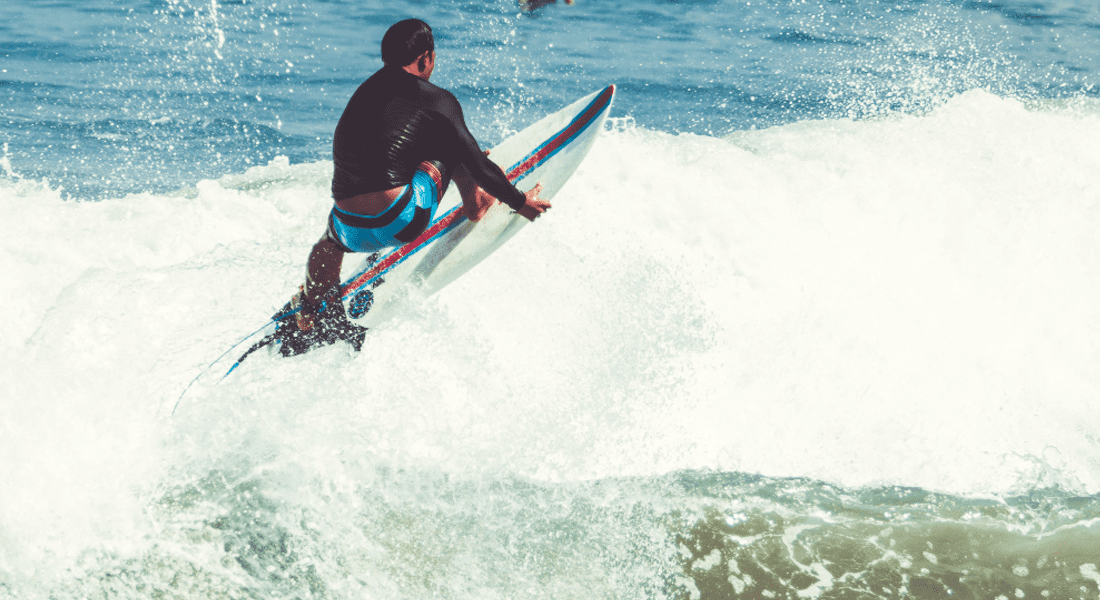
Flexibility plays an important role in surfing because many movements require twisting, bending, and quick shifts in posture. Training flexibility on land improves your range of motion and helps your body move more naturally once you return to the ocean. Dynamic stretches for the hips, shoulders, and lower back prepare your body for paddling, popping up, and turning on the wave face.
Yoga and mobility exercises are particularly useful when exploring how to learn to surf without water. These routines strengthen muscles while improving joint movement. Greater flexibility also reduces stiffness and lowers the risk of strain during surf sessions, helping you move with greater ease and control.
Study Surf Techniques
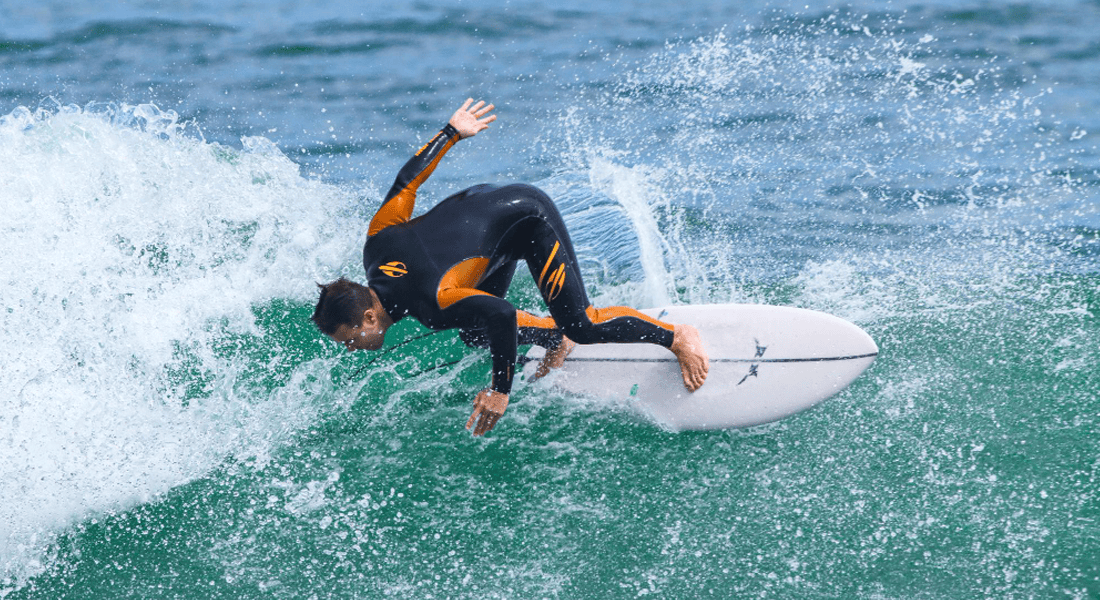
Spending time studying surf techniques away from the water can sharpen your understanding of how the sport actually works. Watching experienced surfers allows you to observe subtle but important details such as posture, timing, weight distribution, and how they respond to changing wave conditions.
You begin to notice how they position themselves on the board, when they initiate their pop-up, and how they maintain flow through turns. Over time, this builds a mental blueprint of what effective surfing looks like. Instead of approaching each session through trial and error alone, you return to the ocean with a clearer sense of what you’re trying to achieve.
Instructional videos and guided coaching sessions can also break complex movements into smaller, manageable steps. Seeing techniques explained slowly helps bridgethe gap between theory and action.
Improve Cardiovascular Fitness
Surfing requires sustained energy, especially during paddling and wave-catching. Even short sessions can be physically demanding, and fatigue often becomes a major barrier to progression. Improving your cardiovascular fitness on land helps prepare your body for these demands, so you can surf longer and more effectively.
Activities like swimming, jogging, cycling, or even brisk walking train your heart and lungs to work more efficiently. This increases your endurance and helps your body deliver oxygen to working muscles during long paddles or repeated pop-ups.
Better stamina also improves recovery time between waves. Instead of feeling exhausted after just a few attempts, you’ll be able to stay active and engaged throughout your session.
Practice Visualization
Mental preparation plays a powerful role in skill development. Visualizing yourself paddling, popping up, and riding waves helps strengthen neural pathways associated with these movements. By mentally rehearsing techniques, you prepare your body to execute them more naturally. Visualization can also reduce anxiety and build confidence before entering the ocean.
Learn With Guided Coaching
Even when practicing on land, structured guidance can make a significant difference. Understanding the right techniques and receiving feedback helps ensure your practice is effective. Working with experienced instructors provides clarity and direction, so you can focus on meaningful improvements rather than guesswork.
How Ohana Surf Project Can Help
At Ohana Surf Project, we believe that learning doesn’t start and end in the ocean. We guide our students through land-based techniques that strengthen balance, timing, and confidence before they ever step onto a board in the water.
Join us in Waikiki to build your skills with our surfing lessons and take the next step in your surfing journey. Start building your confidence today by booking a lesson!