Understanding Wave Dynamics
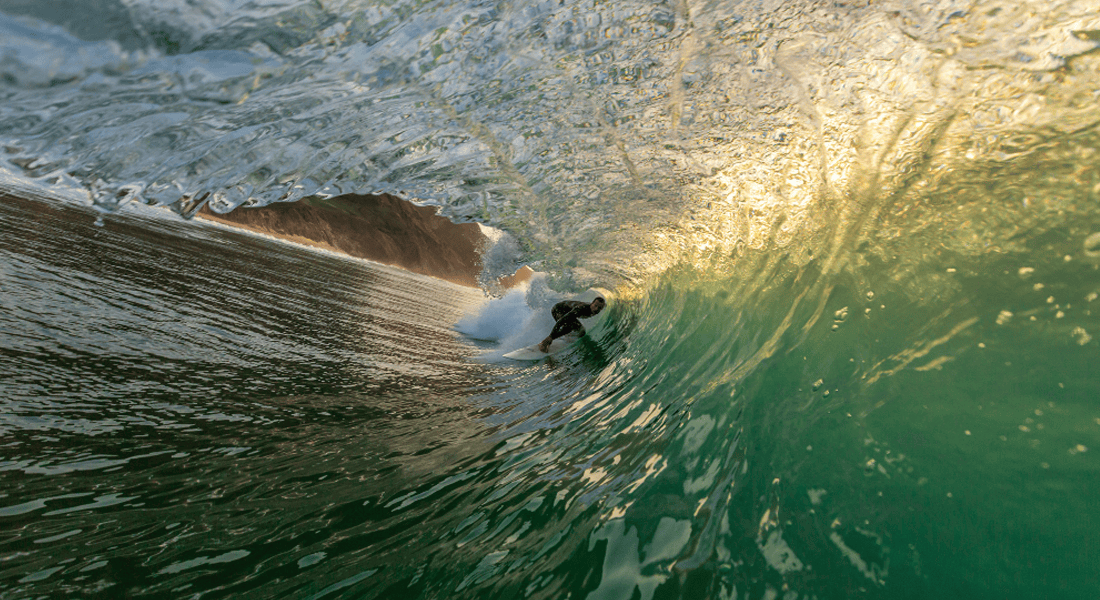
For anyone new to bodyboarding, understanding waves is important. Recognizing safe conditions, knowing when and where waves will break, and identifying potential hazards can significantly impact your bodyboarding experience.
- Safety First: Always be aware of your surroundings. Avoid areas with rocks, and be mindful of other surfers and bodyboarders. If you are unsure about the conditions, local surfing lessons can be a great way to build knowledge and experience under expert guidance.
Techniques to Improve Your Ride
While catching and riding a wave straight to the shore can be exhilarating, as you progress, you might want to start experimenting with maneuvers:
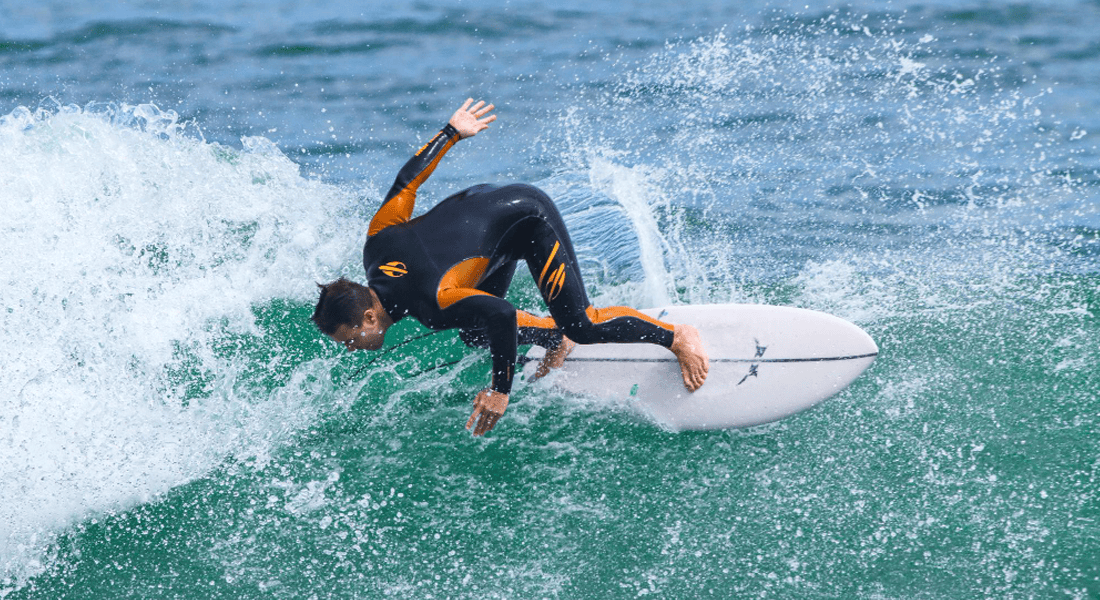
- Trimming: This technique involves riding diagonally across the wave. You can achieve a smooth trim by using your inside hand (the hand closest to the wave) to grip the board’s nose, and your outside hand to stabilize and steer.
- Duck Diving: Essential for getting past breaking waves, duck diving involves pushing the nose of the board underwater and using your knee or foot to submerge the tail, allowing the wave to pass over you.
- Spins: Once you're comfortable on the wave, try rotating your body in a 360° motion. While challenging, this trick can be gratifying when executed correctly.
Learning how to bodyboard for beginners involves understanding the right equipment, mastering the basics, respecting the ocean, and continually practicing. Remember, the ocean is as unpredictable as it is beautiful.
Stay safe, be aware of your surroundings, and, most importantly, enjoy the ride. Every wave offers a new experience, keeping bodyboarding exciting and fresh each time you enter the water.
Your First Waikiki Wave Is Waiting
Good gear, solid board positioning, and a healthy respect for the ocean set you up for an amazing first session. Practice often and celebrate the small wins. Nothing makes the Ohana Surf Project crew happier than seeing a new rider glide toward shore with a huge smile. We would be happy to answer any questions you have and help you start your bodyboarding journey today!
Say aloha to our team and grab your spot in the water!
FAQs
Do I need to be a good swimmer to bodyboard?
You should feel comfortable swimming in open water before heading out. Waves and currents can knock you off the board at any time, so basic swimming skills keep you safe until you get back on the board.
What should I wear for a bodyboarding session in Waikiki?
A swimsuit and a rash guard work well in Hawaii's warm water. The rash guard prevents chafing against the board, and reef-safe sunscreen protects your skin during long hours under the tropical sun.
How long does it take to learn bodyboarding?
Many beginners catch their first wave during their first lesson. Getting comfortable with trimming and duck diving usually takes several sessions of regular practice.