Personal Preference and Goals
- Adrenaline Rush vs. Relaxed Fun
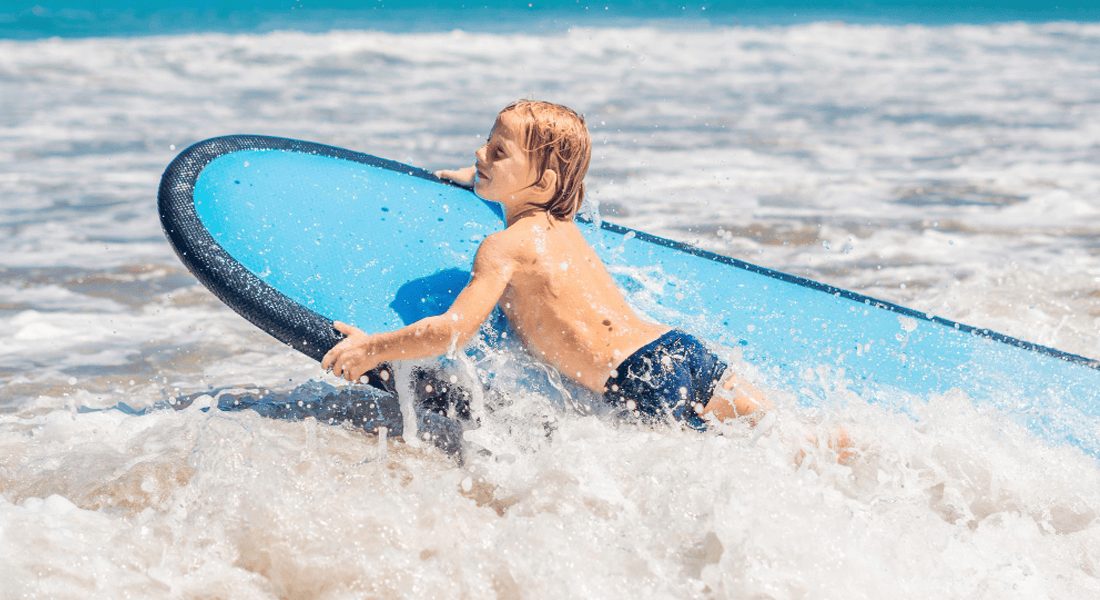
Your choice between a bodyboard and a skimboard also depends on the experience you’re seeking. If you enjoy the adrenaline rush of performing tricks and navigating shallow water, skimboarding might be your best bet. However, if you prefer a more relaxed way to enjoy the waves, bodyboarding offers a smoother, more controlled ride.
Consider your physical fitness and comfort level. Bodyboarding is less strenuous, making it suitable for riders of all ages and fitness levels. Skimboarding, with its running start and balance requirements, demands more physical exertion and agility.
Equipment and Cost
A bodyboard usually includes a leash and fins, which assist with paddling and maneuvering the board. A high-quality bodyboard typically costs $50 to $400, depending on the brand and specific features.
Skimboards are simpler in design and generally don’t require additional equipment like fins or leashes. Skimboard costs vary widely, from $100 to $300 or more, depending on the material and craftsmanship.
Safety Considerations
Bodyboarding is generally safer, especially for beginners. The larger, more buoyant board provides stability, reducing the risk of injury. Always wear a leash to prevent losing the board and consider using fins for better control.
Skimboarding can be riskier because it requires a running start and takes place close to shore. Riders should stay aware of their surroundings to avoid collisions and wear protective gear, such as a helmet and pads, to reduce injury risk.
Environmental Impact
Bodyboarding and skimboarding give you different ways to explore the beach, but both depend on healthy coastal environments. Simple habits can reduce your impact while keeping shared beach spaces enjoyable.
Choose durable equipment that suits your needs, and consider products made with recycled or responsibly sourced materials when suitable options are available. Repairing equipment when practical and avoiding unnecessary replacements can also reduce waste.
Bring reusable water bottles, dispose of rubbish properly, and collect any waste you generate during your visit. Avoid disturbing wildlife, dunes, vegetation, and other sensitive coastal areas.
Pay attention to local beach rules and designated activity zones. Keeping a safe distance from swimmers and respecting other beach users helps prevent collisions and allows everyone to enjoy the shoreline.
Responsible riding involves more than selecting an environmentally conscious board. It also means respecting the conditions and natural spaces that make these activities possible.
.
Making The Right Choice with Ohana Surf Project
In the end, the choice between a bodyboard and a skimboard boils down to your personal preferences, skill level, and the type of experience you seek. Both offer unique thrills and challenges, making wave riding accessible and enjoyable for everyone. Whether you opt for the beginner-friendly bodyboard or the adventurous skimboard, you’re sure to have a fantastic time exploring the waves.
If you’re planning a trip to Waikiki and want to make the most of its crystalline waters, Ohana Surf Project is your go-to destination for bodyboard rentals. As elaborated above, bodyboarding is a popular and accessible water sport, perfect for both beginners and advanced boarders.
Unlike traditional surfboards, bodyboards are smaller, softer, and designed for riding prone and in a dropped-knee position. This makes them ideal for those looking to start their water adventure on a board that’s easy to handle and fun to use.
For those looking to hone their skills, we also offer bodyboarding lessons with certified instructors. These lessons are tailored to your skill level, from beginner to advanced, helping you learn the techniques and tricks of this exhilarating sport. With us, you’ll not only rent a board but also gain valuable insights and tips to enhance your bodyboarding experience.
Visit Ohana Surf Project to discover the joys of bodyboarding and find out why this water sport is a favorite among locals and visitors alike. Our friendly staff and top-notch equipment will ensure you have an unforgettable time on the waves.
Got questions about which board to try? Send us a message, and we'll have you riding in no time!
FAQs
Can I learn both bodyboarding and skimboarding?
Absolutely, and plenty of riders enjoy both sports. Bodyboarding teaches wave timing and ocean awareness, which gives you a helpful head start when you pick up a skimboard later.
What is drop-knee bodyboarding?
Drop-knee is a riding style where you place one foot forward and rest the opposite knee on the board. It offers more carving control and usually comes after you get comfortable riding prone.
How do I pick a skimboard size?
Skimboard size depends largely on your weight. Heavier riders need longer, wider boards to stay afloat on thin water, and lighter riders can go smaller for quicker turns.