5. Surfing Relies Heavily on Swimming and Ocean Skills
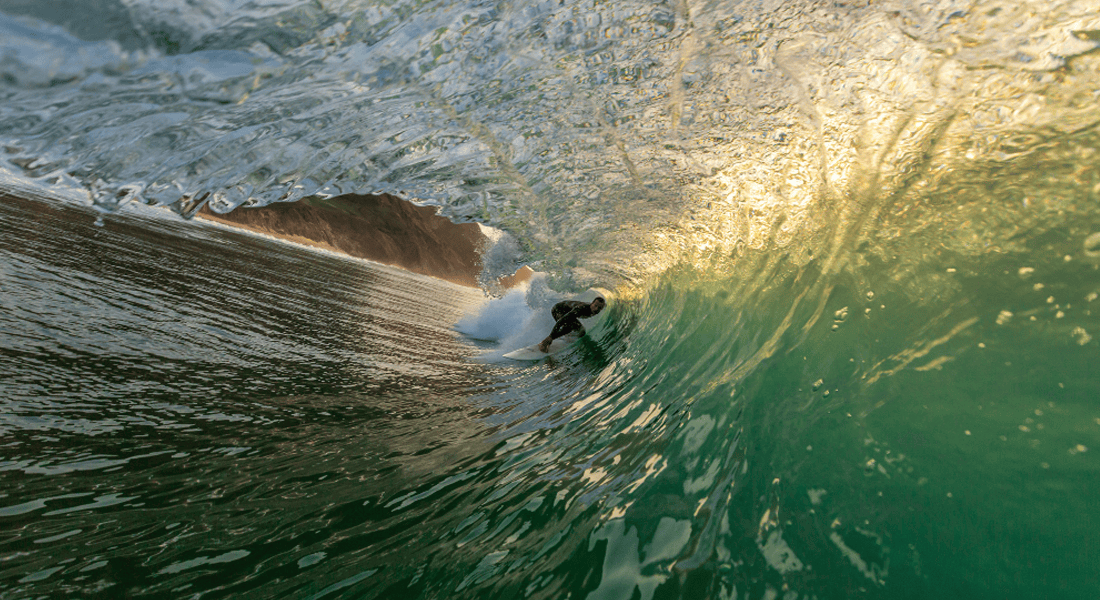
Surfing places a premium on swimming ability, breath control, wave awareness, and knowing how to respond to currents and wipeouts. Experienced surfers build these skills over time, and reputable instruction teaches ocean safety alongside board technique. Conditions can still overwhelm even a strong swimmer, so ability should never be used as a reason to ignore hazards or appropriate safety equipment.
6. Surf Culture Traditionally Favors Minimal Gear
Surf culture has long favored relatively minimal equipment: a board, leash, appropriate clothing or wetsuit, and conditions suited to the surfer. Conventional life jackets are therefore not part of the visual norm at many surf breaks. Culture can influence equipment choices, but it should never outweigh a person's actual swimming ability, the day's conditions, or professional safety guidance.
OSP's safety standards emphasize respect for the ocean, wave knowledge, etiquette, and professional supervision rather than treating tradition as a substitute for risk assessment.
7. Big-Wave Surfers Use Surf-Specific Safety Equipment
Traditional life jackets are uncommon in high-performance surfing, but big-wave surfers may use specialized inflatable safety vests, impact vests, helmets, rescue teams, and other equipment designed for extreme conditions. Inflatable surf vests are specialized systems that require proper setup, maintenance, and training; they should not be confused with ordinary recreational life jackets.
The broader point is that surf safety equipment should match the activity and risk. What makes sense for a professional big-wave surfer is very different from what is appropriate for a first-time student in Waikiki.
8. Extra Drag Can Affect Paddling Efficiency
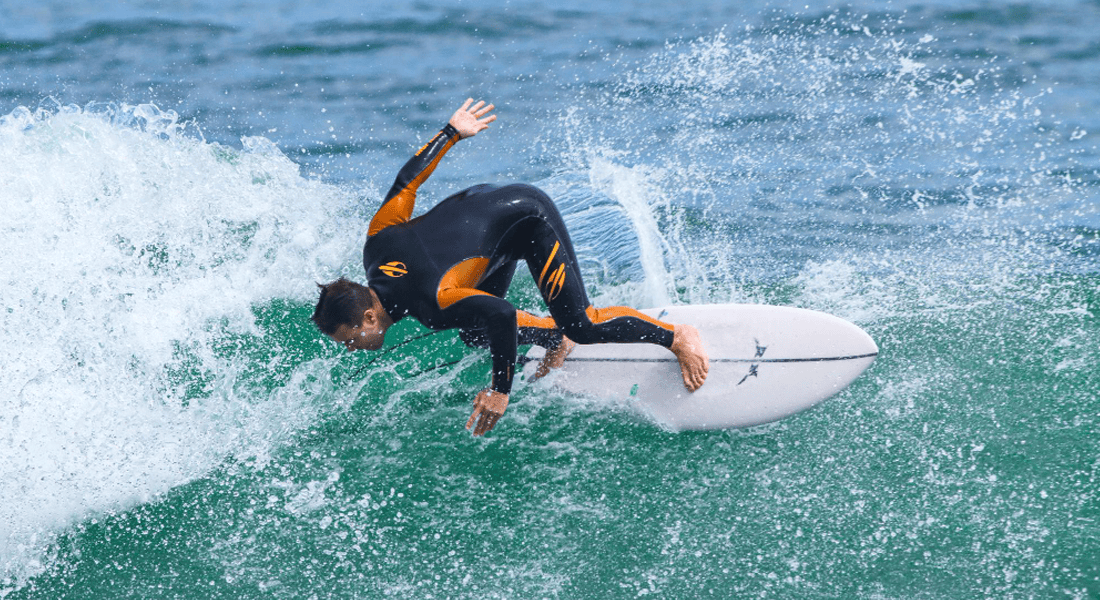
Surfing depends on efficient paddling. Extra bulk around the chest and shoulders can increase resistance, change body position on the board, or shorten a paddling stroke. Those effects may make it harder to build speed for a wave or paddle back toward the lineup, especially if the flotation device was not designed for surfing.
Good instruction focuses on efficient paddling while still prioritizing the equipment and assistance appropriate for the individual surfer. Performance should never take priority over a genuine safety need.
9. Bulky Flotation Can Make Duck Diving More Difficult
Surfers often need to move through broken waves on the way back to the lineup. Shortboard surfers may duck dive beneath incoming whitewater, while riders on larger boards use other techniques such as turtle rolls. The extra buoyancy and bulk of a conventional life jacket can make submerging or moving under turbulent water more difficult.
That functional concern helps explain why surf-specific equipment tends to be streamlined. It does not mean flotation is inappropriate for everyone; the surfer's ability and safety needs still come first.
10. Experienced Surfers Match Their Setup to the Conditions
Experienced surfers routinely adjust their equipment and decisions to wave size, current, wind, crowd level, water temperature, reef or bottom conditions, and their own fitness. Familiarity with a break can improve decision-making, but it never makes the ocean risk-free. A session that was manageable yesterday can be very different today.
Professional instruction can help students learn to read waves, understand hazards, and recognize their limits. OSP's personalized lesson formats allow instructors to adjust the level of assistance and coaching rather than assuming every surfer should use the same approach.
11. Personal Preference Plays a Role - Within Safety Limits
For competent surfers in ordinary conditions, personal preference is part of the reason conventional life jackets are uncommon. Some riders simply prefer the freedom and direct connection to the water that comes with streamlined surf gear. That preference should remain secondary to swimming ability, applicable rules, local guidance, and the actual risks of the session.
At Ohana Surf Project, safety decisions are based on the individual. Open group lessons require participants to be able to swim with water overhead, while private lessons can accommodate non-swimmers and include life jackets when needed.
Put Safety First When You Learn to Surf
At Ohana Surf Project, safety and progression go together. Our instructors teach paddling, positioning, wave selection, surf etiquette, and ocean awareness while tailoring the session to your age, experience, swimming ability, and comfort in the water. A dedicated Safety Coordinator and OSP's rotation system add another layer of supervision during lessons.
Whether you're taking your first lesson or returning to sharpen your technique, choose the format that matches your needs and be honest about your swimming ability. Explore Ohana Surf Project's surfing lessons and build your skills with professional guidance, appropriate equipment, and respect for the ocean.
FAQs
Do surfers normally wear life jackets?
Most surfers in ordinary recreational sessions do not wear conventional life jackets because they can restrict paddling, pop-ups, duck diving, and other surf-specific movements. However, flotation may be appropriate or required for some surfers, lesson formats, activities, or conditions.
Does a wetsuit replace a life jacket for surfing?
No. Neoprene can add some buoyancy and warmth, but a wetsuit is not the same as an approved life jacket or buoyancy aid. Surfers should use safety equipment that is appropriate for their ability, activity, conditions, and applicable rules.
Can I take a surfing lesson if I cannot swim?
At Ohana Surf Project, open group lessons require students to be able to swim with water overhead. Private lessons can accommodate non-swimmers, and OSP provides life jackets for non-swimmers so the lesson can be tailored to their needs.
Is a surfboard leash a substitute for flotation?
No. A leash helps keep a surfer connected to the board, and the board provides useful flotation when it is within reach, but leashes can break or detach. Surfers should not rely on a leash and board as guaranteed rescue equipment.