blog-intro-new-bg-img
What Size Waves Are Good For Bodyboarding? What Size Waves Are Good For Bodyboarding?
Blogs

What Size Waves Are Good For Bodyboarding?

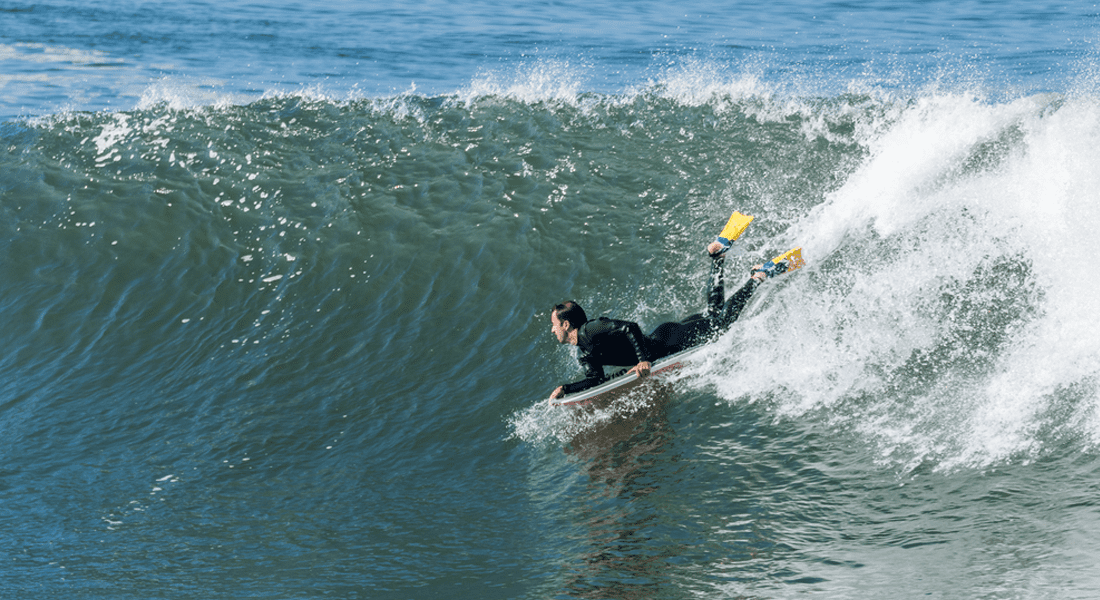
Bodyboarding looks simple from shore, yet wave choice shapes how your session feels from the first paddle out. We hear visitors ask what size waves are good for bodyboarding because comfort, control, and fun depend on matching conditions to ability.

This guide gives practical advice for reading waves where conditions can change quickly. You will learn how wave size affects speed, balance, and confidence, and how to assess the surf before entering the water. Understanding these factors helps you step into the ocean relaxed and ready to enjoy the ride.

Why Wave Size Matters For Bodyboarding

Wave size determines how your board moves, the speed you gain, and the level of control you feel on each ride. Each wave interacts differently with your body and board, influencing your timing, stance, and ability to make smooth transitions.

Bodyboarding keeps your body close to the water, so small differences in wave height can greatly affect balance and momentum. Smaller waves provide smoother takeoffs and calmer landings, while larger waves create stronger pushes and faster drops, testing your reflexes and positioning.

Knowing what size waves are good for bodyboarding helps you choose conditions that suit your comfort and skill. This will lead to better timing, cleaner rides, and a more enjoyable session overall. Paying attention to wave behavior also helps you anticipate changes in speed and direction, which improves confidence and overall flow while riding.

What Wave Sizes Are Best For Beginner Bodyboarders

Beginners feel most comfortable in waves around one to two feet. Waves in this range move with enough energy to carry the board without forcing sudden drops or sharp turns, giving new riders a chance to focus on technique. You can focus on paddling, positioning, and timing rather than managing speed or power.

Falls are gentle, which builds trust in both the board and the ocean while reducing the chance of injury. This calm experience supports steady progress during early sessions and allows beginners to experiment with turning, trimming, and riding different sections of the wave.

Waist-high waves often mark the upper limit for beginners learning control. Wave shape becomes more important at this size since soft rolling breaks feel very different from steep shore breaks. Sandy beaches with gradual slopes offer cleaner entries and exits.

Consistency matters more than height because repeated rides improve confidence faster than chasing larger waves. Staying in this range helps beginners enjoy learning without stress and encourages steady improvement over multiple sessions.

Ideal Wave Sizes For Intermediate Bodyboarders

Once takeoffs feel automatic and speed becomes part of the ride, chest-high waves suit this stage. These waves add push without feeling chaotic, giving space to practice trimming, setting angles, and linking sections across the face. Timing becomes more important as waves move faster, sharpening reading skills. Sessions feel playful and focused, allowing improvement while keeping wipeouts manageable.

Consistency grows in importance at this stage. Waves between two and four feet often provide a reliable rhythm, especially on clean breaks. Power is noticeable, but control remains achievable with strong fin use.

Matching conditions to your energy prevents fatigue and supports longer sessions, clearer decision-making, and steady confidence as skills develop.

Learn More About Us
What Size Waves Are Good For Bodyboarding? What Size Waves Are Good For Bodyboarding?

Advanced Bodyboarding And Larger Wave Conditions

Greater wave size changes how quickly situations develop once you commit to a takeoff. Shoulder-high and overhead waves carry stronger energy, which demands sharp positioning and confident paddling.

Speed increases fast, leaving little room for hesitation during drops and bottom turns. Reading the lineup becomes more important because sets arrive with force and spacing varies. Comfort in these conditions comes from experience rather than wave height alone.

Judgment plays a major role when waves reach four to six feet and beyond. Entry and exit points matter since currents, reefs, and shallow zones affect safety. Strong fin control helps manage speed while staying low on the board. Breath control and swimming ability also shape how relaxed you feel after a fall.

Why Wave Shape And Break Type Matter More Than Height

Wave shape often defines a session more than the forecasted number. A small, steep shore break can deliver quick drops and shallow landings, while a taller rolling wave may feel smooth and forgiving. Beach breaks shift daily as sand moves, changing takeoff zones and timing.

Reef breaks hold shape longer and offer cleaner lines, but require sharper awareness of depth and entry points. Observing how waves break helps you choose rides that feel controlled, playful, and aligned with your ability.

Choosing The Right Conditions For Your Bodyboarding Session

Every session starts with a decision made before entering the water. Checking wave height, swell direction, and tide helps predict how waves will break. Wind affects surface conditions, with lighter winds keeping faces cleaner and easier to manage. Crowd levels influence comfort, especially in smaller surf.

Choosing conditions that fit your energy, skill, and goals lets you ride relaxed and focused instead of reacting under pressure. Local awareness often separates smooth sessions from tiring ones in changing ocean conditions.

Ride With Confidence And Make Every Bodyboarding Session Count

Wave size, shape, and timing all work together to shape how your bodyboarding session feels from start to finish. Matching conditions to your ability helps you stay relaxed, read waves clearly, and enjoy steady progress. Smaller waves build comfort, mid-range waves support skill growth, and larger waves demand preparation and focus.

Once you understand how these elements connect, choosing when and where to ride becomes far more intuitive. Confidence grows when decisions feel informed rather than rushed.

Our team at Ohana Surf Project helps you apply this knowledge in real ocean conditions, not just in theory. We guide you through wave selection, positioning, and timing while sharing local insight that changes daily in Waikiki.

Bodyboarding lessons focus on comfort, safety, and flow, whether you are stepping onto a board for the first time or refining control in stronger surf. We also offer surf lessons and water experiences that build ocean awareness across different conditions. Learning with guidance turns uncertainty into enjoyment.

Ready to ride waves that feel right for you. Join us in the water and experience bodyboarding with clarity, confidence, and local care.

This certification puts Ohana at the top — not just for surf, but for how we show up for Hawai‘i every day. View Certificate
BLOGS

OTHER OSP BLOGS

Choosing The Best Dry Bag For Paddle Boarding

Choosing The Best Dry Bag For Paddle Boarding

Time on the water becomes more enjoyable when you can stay focused and relaxed. Paddle boarding combines sun, movement, and changing ocean conditions that can shift quickly. Personal items often[...]
1 min read
0
What Size Waves Are Good For Bodyboarding?

What Size Waves Are Good For Bodyboarding?

Bodyboarding looks simple from shore, yet wave choice shapes how your session feels from the first paddle out. We hear visitors ask what size waves are good for bodyboarding because[...]
1 min read
0
Is Paddle Boarding Safe During Pregnancy?

Is Paddle Boarding Safe During Pregnancy?

Pregnancy changes how you think about movement, balance, and time on the water. Activities that once felt simple may now raise thoughtful questions about comfort and safety. Many expecting parents[...]
1 min read
0