blog-intro-new-bg-img
Surf Culture: History, Lifestyle, And Meaning Surf Culture: History, Lifestyle, And Meaning
Blogs

Surf Culture: History, Lifestyle, And Meaning

Surf culture is more than just a sport. It is a lifestyle, a community, and a way of connecting with nature. From the first wave riders in ancient Polynesia to the modern surf scene in places like Waikiki, surf culture has evolved and become a worldwide phenomenon.

The History of Surf Culture

Surfing dates back to ancient Polynesia, where it was not just a sport, but a way of life. It was practiced by royalty in Hawaii and considered a sacred activity.

The earliest records of surfing come from the Hawaiian Islands, where the sport was called "he'e nalu," which translates to "wave sliding." The native Hawaiians used longboards made from local wood to ride the waves. Surfing was seen as a way to honor the ocean, a place for spiritual connection, and a practice of physical strength and balance.

In the late 19th century, Western influence began to change the practice of surfing. Missionaries and settlers in Hawaii attempted to suppress the traditional Hawaiian culture, including surfing. Despite this, the sport survived and began to spread worldwide.

Surfing gained popularity in California in the 1920s and 1930s, where it was introduced by Hawaiian-born surfers like Duke Kahanamoku. Kahanamoku, known as the "father of modern surfing," was not only a famous surfer but also an Olympic swimmer, helping to spread surf culture beyond Hawaii's shores.

By the 1950s, surfing had exploded in California, thanks in part to the rise of surf films, such as "Gidget," and surf music, particularly from the Beach Boys. Surf culture became synonymous with youth rebellion, freedom, and a carefree attitude.

The 1960s saw surfing gain even more mainstream popularity, influencing music, fashion, and art. The iconic surfboards, baggy shorts, and beach-themed tunes became part of American pop culture.

The Lifestyle of Surf Culture

Surfing is often more than just a sport; it is a lifestyle that encompasses a unique set of values, attitudes, and experiences. Central to surf culture is a deep connection with the ocean. Surfers spend hours in the water, waiting for the perfect wave, while developing a keen sense of awareness of the natural world. The ocean is not just a playground, but a place of meditation and reflection for many surfers.

At its core, surf culture is about freedom. Surfing allows individuals to break free from the everyday stresses of life. When you are on a surfboard, riding a wave, there is only the present moment.

The excitement and thrill of catching a wave are matched by the peacefulness and calmness that come with being in nature. This sense of freedom is one of the reasons that surfing attracts people from all walks of life, looking to find a deeper connection with the world around them.

Surf culture also embodies a laid-back, relaxed attitude. The surf community values simplicity, enjoying the moment, and not rushing through life. Whether you’re sitting on the beach, chatting with friends, or paddling out for another wave, there is an underlying sense of “living in the moment.” It is a lifestyle that contrasts with the fast-paced nature of modern life.

Learn More About Us
Surf Culture: History, Lifestyle, And Meaning Surf Culture: History, Lifestyle, And Meaning

The Meaning of Surf Culture

Surf culture holds deep meaning for those who embrace it. It’s not just about riding waves, but about the values it represents.

One of the core principles of surf culture is respect — for the ocean, for the environment, and for others in the water. Surfing teaches individuals to respect nature and recognize the power and unpredictability of the ocean. Surfers live by a set of unspoken rules when it comes to surf etiquette, ensuring that everyone has an opportunity to enjoy the waves safely.

Another important aspect of surf culture is community. Surfers often refer to their local surf spots as their "surf family" or "ohana." This sense of community is built around shared experiences in the water and a love for the ocean. Surfers support one another, helping beginners learn the ropes, offering tips to improve skills, and creating a network of like-minded people who share a common bond.

Surf culture is also about individual growth. While it may look like a sport built on competition, at its heart, surfing is about personal progression. No matter if you’re learning how to pop up for the first time, attempting a difficult maneuver, or catching bigger waves, surfing challenges you to improve and overcome obstacles.

Surf Culture and Environmental Stewardship

Given surfing’s deep connection with the ocean, it is no surprise that environmentalism plays a significant role in surf culture. Surfers are often among the first to notice changes in the ocean, such as pollution or coastal damage. As a result, many surfers become passionate about protecting the environment.

Organizations like the Surfrider Foundation work to keep beaches clean, protect coastal ecosystems, and raise awareness about environmental issues affecting the ocean. The surf culture encourages sustainable practices, such as reducing plastic waste and supporting eco-friendly surfboard manufacturers.

At Ohana Surf Project, we believe in the importance of preserving the ocean for future generations. Therefore, we promote sustainable surfing practices and teach our students to respect the environment.

Surf Culture Today

Today, surf culture continues to evolve while staying grounded in its traditions. It has expanded to become a global movement, with surfers from every corner of the world coming together to share their love for the sport. While the surf scene has grown, the values of freedom, respect, and community remain central to the culture.

The rise of social media has allowed surfers to connect and share their experiences, further expanding the reach of surf culture. Surfing has influenced fashion, music, and art, and it continues to inspire people of all ages to get involved. Surf culture has also become more inclusive, welcoming people of different backgrounds, genders, and abilities into the fold.

We are proud to support the growth of inclusive surf communities, where anyone can learn to surf, no matter their background.

Joining the Surf Culture with Ohana Surf Project

If you are interested in becoming part of the vibrant and welcoming surf culture, Ohana Surf Project is here to help. Our personalized surf lessons are designed to help beginners and experienced surfers alike embrace the ocean and the values of surf culture.

Are you learning to surf for the first time or refining your skills? Our instructors are dedicated to providing a fun, safe, and supportive environment.

Surfing is about more than just riding waves — it’s about the connection to nature, the thrill of personal growth, and the sense of community that comes with sharing the ocean with others.

Join us at Ohana Surf Project, explore our rentals, and experience the magic of surfing in Waikiki, where surf culture is alive and well.


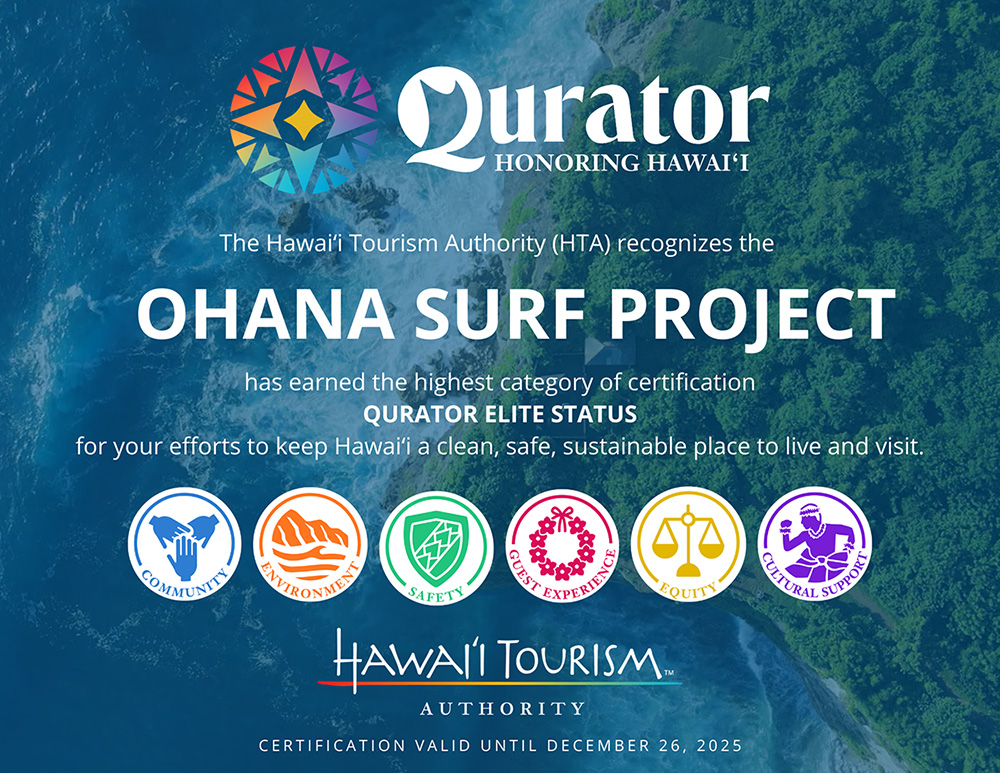
This certification puts Ohana at the top — not just for surf, but for how we show up for Hawai‘i every day. View Certificate
BLOGS

OTHER OSP BLOGS

How To Transport Your Rental SUP Board

How To Transport Your Rental SUP Board

When you rent a SUP board for a Waikiki adventure, knowing how to transport a SUP board keeps your day smooth from the start. You probably feel excited to reach[...]
1 min read
0
How To Improve Your Balance For Paddle Boarding

How To Improve Your Balance For Paddle Boarding

Balance makes a huge difference in how enjoyable paddle boarding feels because the ocean constantly shifts under your feet. When you understand how to improve your balance for paddle boarding,[...]
1 min read
0