blog-intro-new-bg-img
How Much Wind Is Too Much For Paddle Boarding? How Much Wind Is Too Much For Paddle Boarding?
Blogs

How Much Wind Is Too Much For Paddle Boarding?

Wind shapes every paddle boarding session, from how steady the board feels to how relaxed you feel standing on the water. Many people pause before launching because conditions can look calm while still feeling challenging once you start paddling.

Questions about forecasts, breezes, and comfort often lead to one common search, how much wind is too much for paddle boarding, especially for beginners and casual riders. Clear guidance helps remove guesswork and replaces anxiety with confidence before stepping onto the board.

Understanding wind limits, how wind feels on the water, and when to skip a session helps plan outings that remain fun, controlled, and rewarding instead of tiring or stressful.

Ideal Wind Speed For Paddle Boarding Beginners

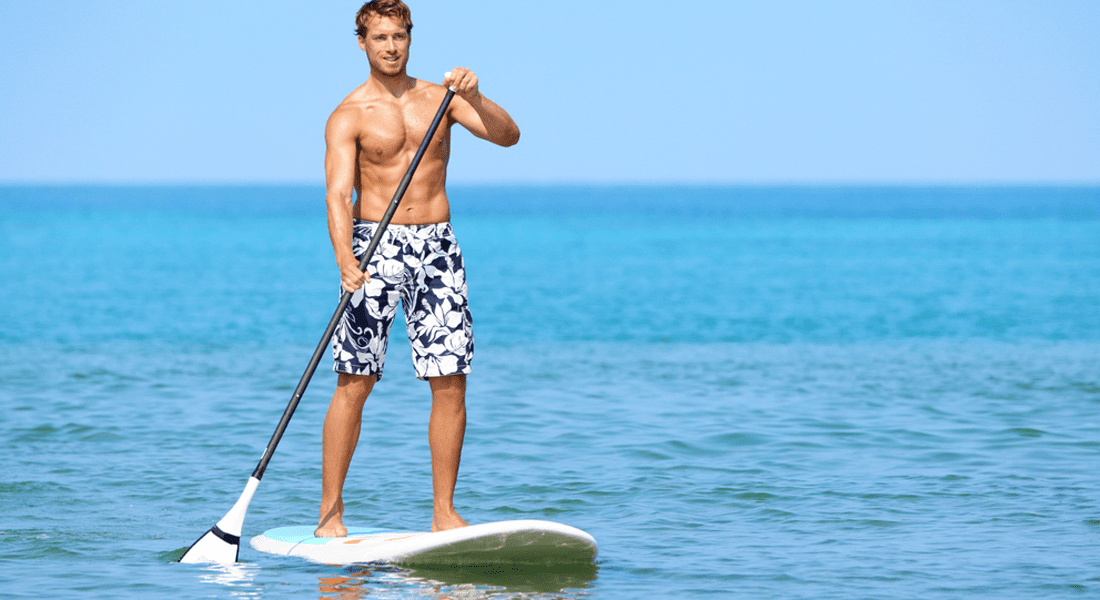
Calm wind between 0 and 5 miles per hour creates the most comfortable environment for beginners. Boards remain steady, paddles move smoothly through the water, and balance feels natural. Small ripples may appear, but they rarely disrupt rhythm or confidence.

Light breezes also reduce fatigue, letting you focus on stance, posture, and smooth, controlled strokes. Conditions in this range support relaxed progression and enjoyable early experiences, especially in sheltered water where gusts remain consistent, predictable, and manageable.

What Paddle Boarding Feels Like In Moderate Wind Conditions

Moderate wind, usually between 6 and 10 miles per hour, brings more activity to paddle boarding. Small bumps develop across the water, challenging balance and engaging your legs more fully. Forward progress continues, but each stroke requires deliberate intention and a steady rhythm.

Drift becomes noticeable, especially during pauses, which can catch paddlers off guard after feeling comfortable moments earlier. Energy use rises gradually, keeping sessions engaging while adding a moderate level of physical demand.

Experience influences how these conditions are perceived. Some paddlers enjoy the extra movement as a fun challenge, while others may notice mental fatigue from continuous adjustments. In protected areas, moderate wind can remain enjoyable, but open water often feels more unpredictable even with the same forecast, requiring heightened focus and awareness.

When Wind Becomes Too Strong For Recreational Paddle Boarding

Wind above 10 to 15 miles per hour often marks the point where recreational paddle boarding shifts from challenging to uncomfortable. Boards catch the wind more aggressively, pulling direction off course and demanding constant corrections.

Balance becomes more difficult as short, uneven waves develop. Each paddle stroke requires extra effort just to hold position instead of gliding forward. Fatigue can build quickly, even for experienced paddlers. Heading back to shore feels more demanding as wind pushes against you, occasionally doubling the effort needed. Sudden gusts can arrive without warning, interrupting rhythm and challenging your stability.

Understanding “How much wind is too much for paddle boarding?” helps set realistic limits and supports safe, controlled outings.

Learn More About Us
How Much Wind Is Too Much For Paddle Boarding? How Much Wind Is Too Much For Paddle Boarding?

How Wind Direction Changes Paddle Boarding Safety

Wind direction often influences difficulty more than wind speed once you are on the water. Offshore wind can slowly carry you away from shore, making the return trip significantly more demanding than expected.

Progress may feel easy at first, but the real challenge appears when paddling back. Onshore wind produces short, uneven chop that pushes against the board and affects balance. Stability becomes harder to maintain as waves strike the board from different angles.

Crosswinds create a constant sideways pull that requires frequent adjustments. Maintaining course relies on steady strokes and awareness of drift, and fatigue builds gradually through repetition rather than sudden intensity. Observing wind direction before launching helps anticipate how conditions will change throughout the session.

Why Location And Water Type Affect Wind Limits

The setting has a major impact on how the wind feels under your feet while paddle boarding. Sheltered bays and lagoons soften surface movement, which allows slightly stronger breezes to feel manageable and more comfortable. Inland lakes may look calm at first, but long open stretches often develop steady chop as wind moves across the surface.

Coastal areas add complexity because moving water interacts with wind at the same time. Open ocean conditions amplify wind effects due to exposure and swell, meaning even moderate forecasts can feel demanding.

How Skill Level And Board Type Influence Wind Tolerance

Experience shapes how comfortably you handle wind during real paddle boarding sessions. Beginners often feel strain sooner because balance reactions and stroke efficiency are still developing. Intermediate paddlers adapt more easily, but tolerance depends on board width, volume, and tracking ability.

Wider boards provide stability but catch more wind, while touring or race shapes glide through gusts with better directional control. Matching your equipment to skill level supports comfort and clear decision-making as conditions gradually change.

Local Wind Wisdom That Helps You Paddle With Confidence

Comfort on a paddle board comes from aligning conditions with your ability, the location, and your expectations.

Light wind allows for relaxed balance, steady strokes, and gradual skill growth, while moderate breezes add effort that remains manageable with careful awareness. Stronger wind introduces fatigue, drift, and challenges on the return trip, which can shorten sessions and make them more physically demanding than expected.

Wind direction, water type, and exposure all influence how each forecast actually feels once you launch. Understanding these factors allows you to anticipate conditions before stepping onto the board. Observing local patterns, assessing gusts, and noting subtle shifts in the water help paddlers make informed decisions that keep sessions safe, enjoyable, and confidence-building.

Daily time on Waikīkī waters has shown us how quickly wind can shift and how important real judgment becomes for safe paddling. At Ohana Surf Project, we help remove guesswork through guided paddle boarding lessons, careful calm water planning, and quality board rentals matched to specific conditions.

Our instructors choose locations that fit the day, explain what to expect, and adjust sessions, so you stay relaxed and supported. Our board rentals give you flexibility without committing to gear that may not suit the wind.

Ready to paddle with clarity and confidence. Join us on the water and let local experience guide your next session.

This certification puts Ohana at the top — not just for surf, but for how we show up for Hawai‘i every day. View Certificate
BLOGS

OTHER OSP BLOGS

Choosing The Best Dry Bag For Paddle Boarding

Choosing The Best Dry Bag For Paddle Boarding

Time on the water becomes more enjoyable when you can stay focused and relaxed. Paddle boarding combines sun, movement, and changing ocean conditions that can shift quickly. Personal items often[...]
1 min read
1
What Size Waves Are Good For Bodyboarding?

What Size Waves Are Good For Bodyboarding?

Bodyboarding looks simple from shore, yet wave choice shapes how your session feels from the first paddle out. We hear visitors ask what size waves are good for bodyboarding because[...]
1 min read
0
Is Paddle Boarding Safe During Pregnancy?

Is Paddle Boarding Safe During Pregnancy?

Pregnancy changes how you think about movement, balance, and time on the water. Activities that once felt simple may now raise thoughtful questions about comfort and safety. Many expecting parents[...]
1 min read
0