What Safety Gear Might You Need for Paddle Boarding?
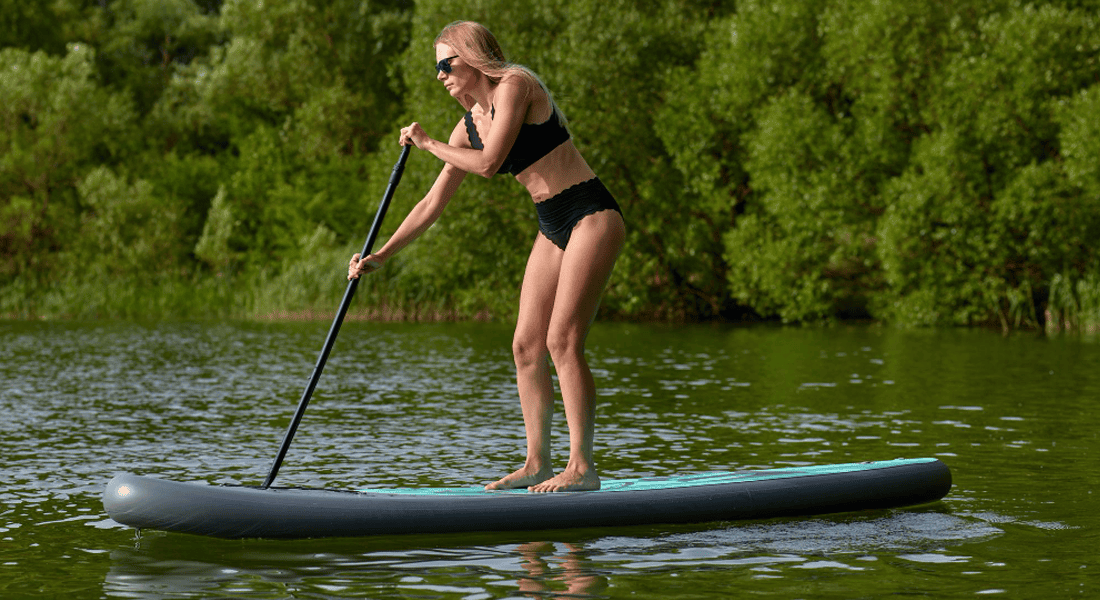
The most common safety item is a properly fitted personal flotation device, which some paddlers wear and others keep on the board when rules allow. For children and less confident swimmers, wearing it is the smarter choice. A leash is also useful, since it keeps your board close if you fall into the water, and a whistle or other sound making device can help you get attention if you need support. If you paddle near sunset, sunrise, or after dark, lights and visibility become important. Open water can change quickly, so weather, wind, current, and boat traffic should shape your plan. Good paddle boarding is relaxed, but it is never careless, and the best sessions start with simple gear, clear awareness, respect for the ocean, and a smart plan that matches your route, skill level, time on the water, and comfort with shoreline conditions before your board leaves the sand.
What About Kids, Beginners, and First Time Paddlers?
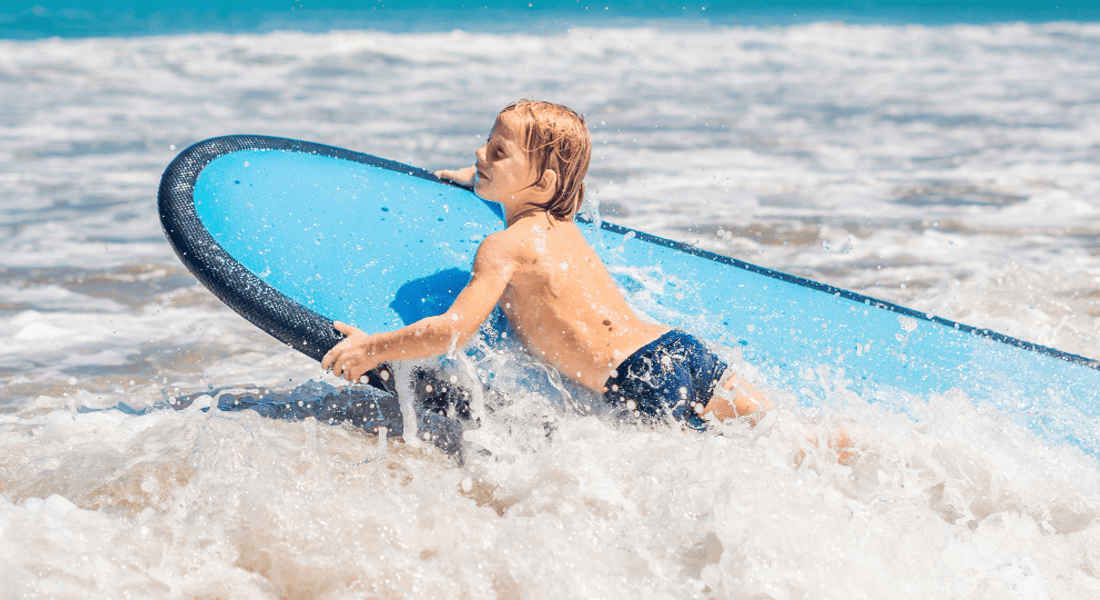
Kids and first time paddlers deserve extra care before heading out, when ocean conditions are new to them. A child should have a properly fitted life jacket, a board suited to their size, and a calm area where they can learn without pressure. Adults should also think about comfort level, swimming ability, and how well each person handles waves or wind. Beginners usually do best in gentle conditions with simple instructions that make each step feel clear. Learning how to stand, paddle, turn, stop, fall, and climb back on the board makes the session more enjoyable. Confidence grows faster when the first experience feels safe and fun, which is the spirit paddle boarding should have for families visiting Oahu together.
When Is a Lesson Better Than Figuring It Out Alone?
Renting a board can work well for someone with ocean experience, strong balance, and knowledge of local conditions. For a new paddler, a lesson can make the first session much easier, since small tips can change everything from foot placement to paddle grip. A good instructor can also help you read wind, current, waves, and safe paddling zones before you drift too far or fight the water. That guidance can save energy and help the session feel smoother from the start. Lessons are useful for families, nervous beginners, and anyone who wants a friendlier path into the sport. Paddle boarding should feel playful, not confusing, and the right guidance can make that happen fast on Oahu water right away too.
Paddle Out with Confidence on Oahu
Most recreational paddle boarders do not need a license before enjoying the water, but smart paddling still starts with awareness. Rules, gear, age, location, and ocean conditions can shape your experience, especially on Oahu. When you understand the basics before stepping on the board, your session feels smoother, safer, and far more fun without turning a simple beach plan into a confusing checklist.
At Ohana Surf Project, we help you enjoy stand up paddleboarding with organized, professional, high quality lessons and rentals. Our experienced instructors guide you through balance, paddling technique, board control, safety habits, and local water awareness in a friendly way. We also offer surfing, bodyboarding, rentals, and photo options, so you can choose the ocean experience that fits your day before your feet touch the board.
Ready to get on the water with confidence? Book your paddle boarding lesson or rental with us and enjoy Oahu from a fresh, unforgettable angle today.
FAQs
Do you need a license to paddle board in Hawaii?
For most recreational sessions, you do not need a personal license to paddle board in Hawaii. A standard non motorized paddleboard is different from a motorized boat or personal watercraft. Still, paddlers should understand basic safety rules, local water conditions, and equipment expectations before heading away from the beach.
What safety gear should I have for paddle boarding?
Common paddle boarding safety gear includes a properly fitted life jacket, a leash, and a whistle or other sound making device. If you paddle near sunrise, sunset, or after dark, visibility gear and lights may also be needed. Your gear should match your route, skill level, weather, and distance from shore.
Is paddle boarding safe for beginners?
Paddle boarding can be beginner friendly when you start in calm water with the right board, clear instruction, and safe conditions. First time paddlers should learn how to stand, paddle, turn, fall, and climb back onto the board. A guided lesson can help you feel more relaxed and confident on Oahu water.