Quick Summary

Riding drop-knee in bodyboarding adds greater control and versatility to your wave-riding experience. Start with small, gentle waves and a board designed for stability. Position one knee on the board with the opposite foot placed forward, keeping your weight centered and balanced. Practice turns and maneuvers gradually while wearing proper safety gear. Lessons and guidance from Ohana Surf Project help beginners develop confidence, improve balance, and enjoy the ocean safely while learning drop-knee techniques.

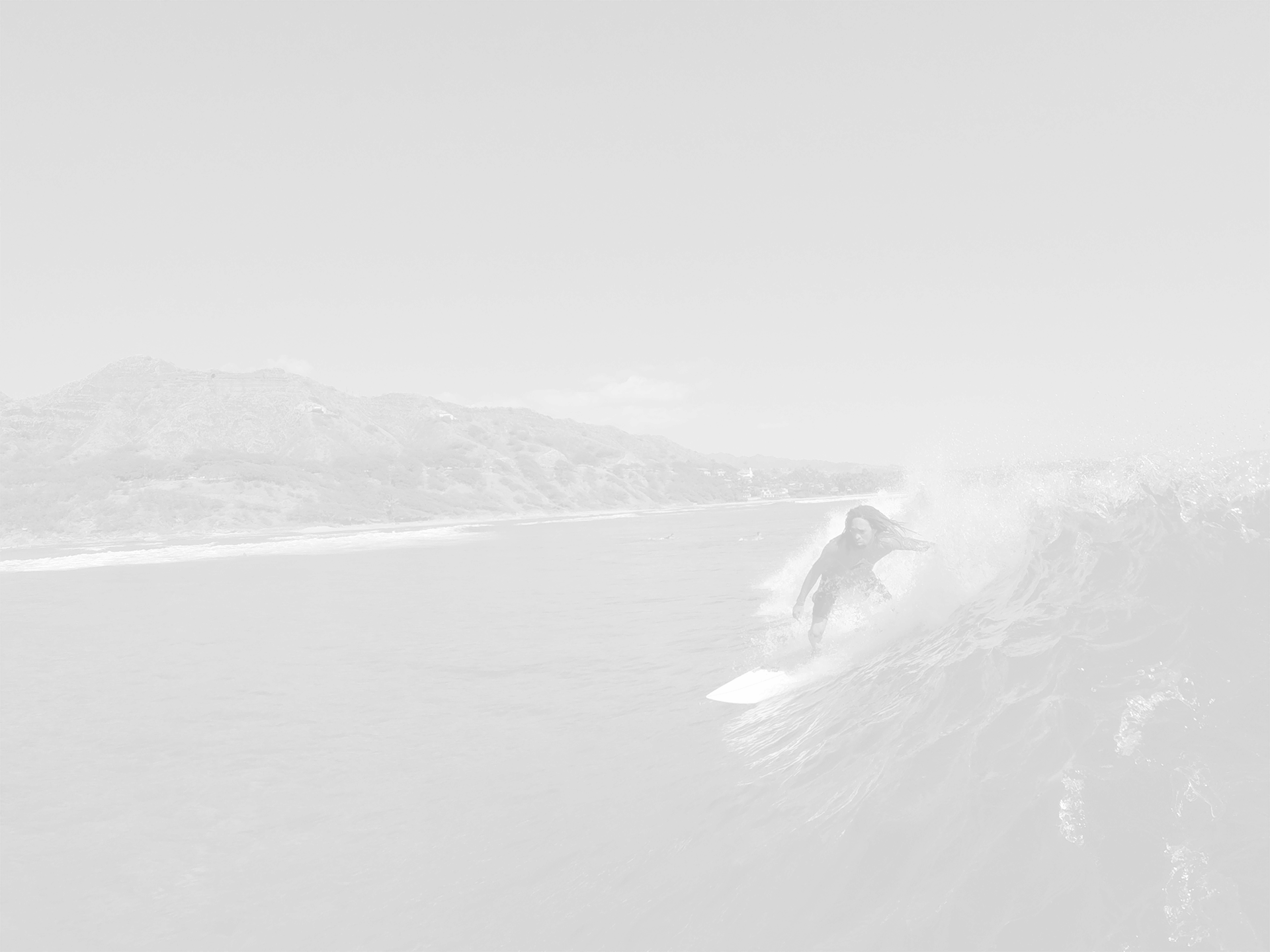
blog-intro-new-bg-img
A Beginner's Guide To Riding Drop-Knee In Bodyboarding A Beginner's Guide To Riding Drop-Knee In Bodyboarding
Blogs

A Beginner's Guide To Riding Drop-Knee In Bodyboarding

Learning drop-knee bodyboarding is an exciting way to add versatility to your wave-riding skills. At Ohana Surf Project, we help beginners understand the basics of riding in the drop-knee stance while staying safe and having fun.

Drop-knee riding involves kneeling on one leg while keeping the other foot forward, giving the rider more control and stability for turns and maneuvers.

What Is Drop-Knee Bodyboarding

In drop-knee bodyboarding, the rider places one knee on the board while positioning the opposite foot forward. This stance creates better weight distribution and more control than the standard prone position, where the rider lies face down.

The drop-knee stance makes it easier to perform sharper turns and maintain speed through different sections of the wave. Learning how to balance in this position is essential for developing smooth and controlled rides.

Choosing The Right Board And Gear

Your equipment plays an important role when learning drop-knee riding. We recommend bodyboards with a firm core for added stability and soft rails that help grip the wave. Fins help generate speed and improve steering.

Rash guards help protect the skin from board wax and sun exposure. Using the right equipment helps reduce risk and makes learning new techniques more comfortable.

Selecting Appropriate Waves

Small, clean waves are ideal for beginners. These conditions create a more forgiving environment and make balancing easier. Large or powerful surf should be avoided until you become comfortable with the fundamentals.

Trade winds, which are steady winds that blow across the ocean, can create choppy conditions. Light trade winds usually produce smoother waves that are better suited for learning. Taking time to observe wave patterns before entering the water helps improve timing and safety.

Positioning And Balance

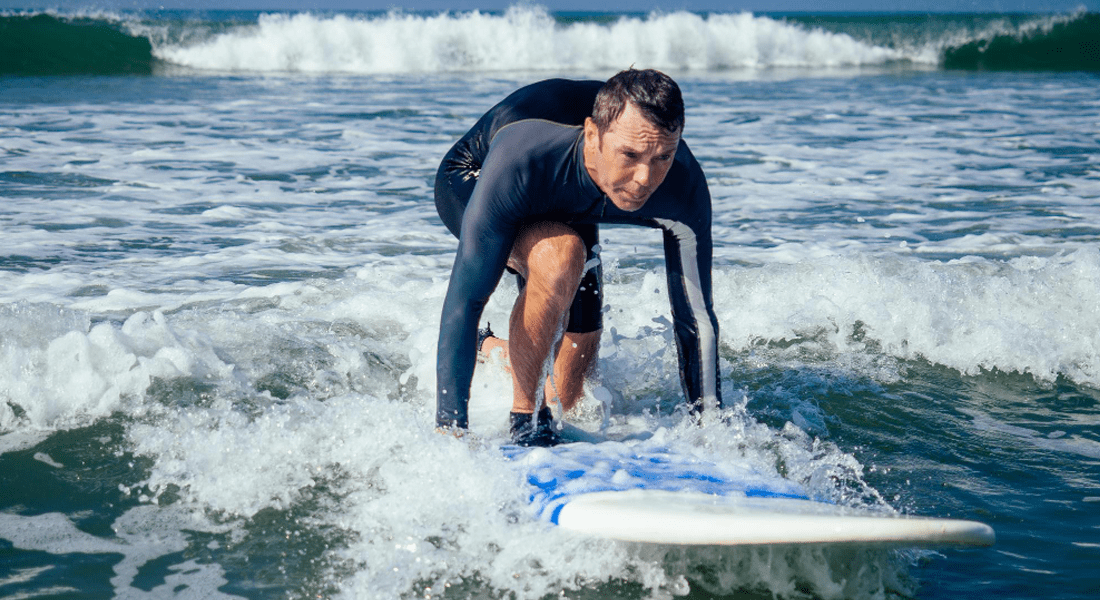
Start with your dominant knee resting on the board and your opposite foot positioned forward. Lean slightly into the wave while keeping your body relaxed. Extend your arms to improve stability and maintain balance.

Keep your eyes focused down the line of the wave rather than looking directly at the board. Practicing weight shifts in shallow water helps your body become familiar with the stance. A lower center of gravity creates greater control during turns and transitions.

Learn More About Us
A Beginner's Guide To Riding Drop-Knee In Bodyboarding A Beginner's Guide To Riding Drop-Knee In Bodyboarding

Executing Turns And Maneuvers

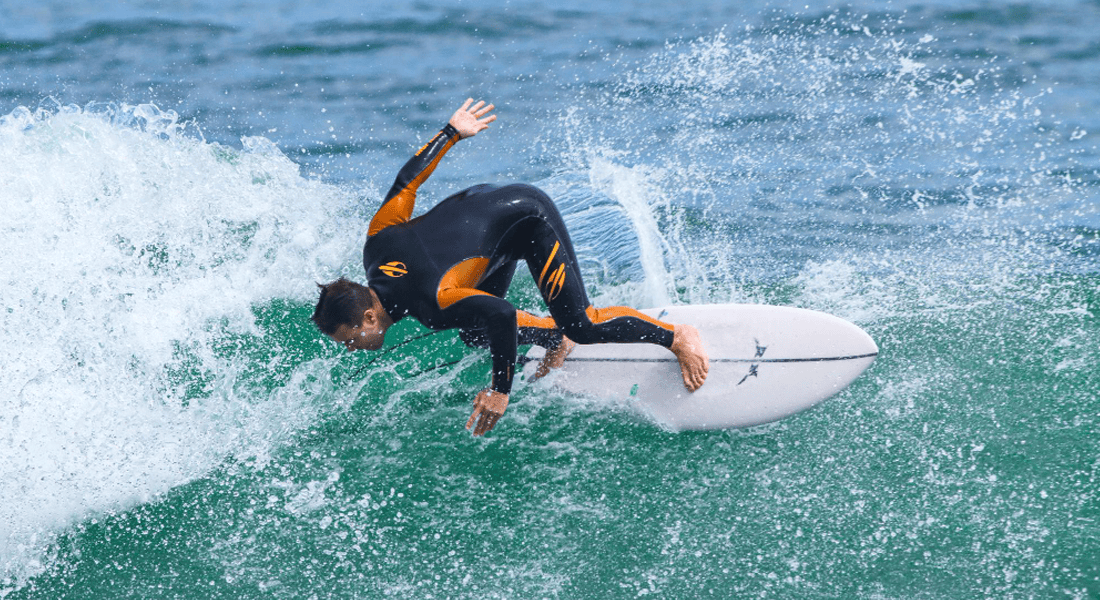
One of the biggest advantages of drop-knee bodyboarding is the ability to carve smoothly across the wave. Use your shoulders and hips to initiate turns. Lean in the direction you want to travel while keeping your back knee firmly planted on the board.

A gentle kick with your fins can add extra speed when needed. Beginners should focus on wide, smooth turns before progressing to tighter maneuvers. Our instructors demonstrate techniques and give feedback to help riders improve safely.

Safety Considerations For Beginners

Many people ask, “Is drop-knee bodyboarding dangerous?” Like all water sports, there is a risk of falling or being pushed by waves. Beginners should start in gentle surf with supervision.

Wearing safety gear and staying aware of other riders and waves reduces hazards. We emphasize learning in controlled conditions before attempting bigger waves or advanced maneuvers.

Tips For Progression

Consistent practice is the key to mastering drop-knee riding. Begin with short sessions on easy waves. Gradually increase wave size and complexity. Observe experienced riders and practice under guidance.

Taking bodyboarding lessons with Ohana Surf Project helps beginners accelerate learning while maintaining safety. Practicing in calm conditions builds muscle memory and confidence for more challenging waves.

Enjoy Drop-Knee Riding With Confidence

Drop-knee bodyboarding is fun and rewarding. Focus on balance, wave selection, and proper technique. Ohana Surf Project offers lessons, bodyboard equipment rentals, and guidance to help riders improve their drop-knee skills.

Every ride is an opportunity to practice, enjoy the ocean, and build confidence. We are happy to answer any questions you might have and help you get started on your bodyboarding journey today!

Frequently Asked Questions

At what age is it appropriate for learning drop-knee bodyboarding?

Children and adults can start from around age seven if they are comfortable in water and can follow instructions.

Do I need a special board for drop-knee?

Yes. Ohana Surf Project recommends boards with a firm core and soft rails for stability and wave control.

Can drop-knee riding be done in large surf?

Beginners should start in small waves. Large waves require experience and proper safety precautions.

This certification puts Ohana at the top — not just for surf, but for how we show up for Hawai‘i every day. View Certificate
BLOGS

OTHER OSP BLOGS