Quick Summary
Paddle board construction affects how a board feels, moves, and holds up on the water. Hard boards often give you better glide, speed, and response, while inflatable boards are easier to store, carry, and travel with. Soft top boards create a more forgiving ride for beginners, families, and relaxed paddling sessions. By understanding the core, outer layers, rails, deck pad, stiffness, and weight, you can choose a board that fits your comfort level, goals, and ocean experience.
Paddle Board Construction: What Sets Different Types Apart?
From the shore, paddle boards can look simple: long, smooth, and ready for a sunny ride. Step onto one, though, and you can feel how construction shapes balance, glide, comfort, and control. So, what are stand up paddle boards made of, and why does each build feel different on the water? The answer depends on the core, outer layers, deck surface, rails, and overall stiffness. Once you understand those details, choosing a board for cruising, learning, travel, or small waves becomes much easier.
Inside the Build of a Paddle Board
A paddle board is shaped by more than its outline, and the build starts with the internal structure before outside layers protect the board and control flex. The core gives the board volume and float, while the shell helps it handle pressure from water, feet, sun, and regular use. Rails, or the sides of the board, add strength and affect how cleanly the board moves along the surface. The deck pad gives your feet traction and comfort, especially when you are learning to stand, kneel, or turn. Thickness, width, and weight work with construction, so two boards with a similar shape can feel different under your feet. One may feel firm and fast, while another feels soft, steady, and relaxed, which is why the build should match your skill level, water conditions, and the session you want from your first paddle stroke to final glide.
Hard Paddle Boards Built for Glide, Speed, and Response
Hard paddle boards usually start with a lightweight foam core that is wrapped in fiberglass and epoxy. This creates a firm structure with smooth glide across the water. Some performance boards may use carbon fiber or wood details to change weight, stiffness, and feel. The result is a board that reacts quickly when you shift your feet, paddle harder, or start turning. This is why solid boards often feel so clean in open water during longer paddles.
That solid feel gives hard boards a strong advantage for paddlers who enjoy speed, clean tracking, and a direct connection to the water. They are popular for cruising, fitness paddling, racing styles, and wave riding. The tradeoff comes on land. A hard board needs more storage space, careful carrying, and the right transport setup. It can also get scratches, pressure dents, or chips if handled roughly. For paddlers who value glide and response, a hard build can feel smooth, lively, and powerful underfoot.
Inflatable Paddle Boards Built for Portability and Convenience
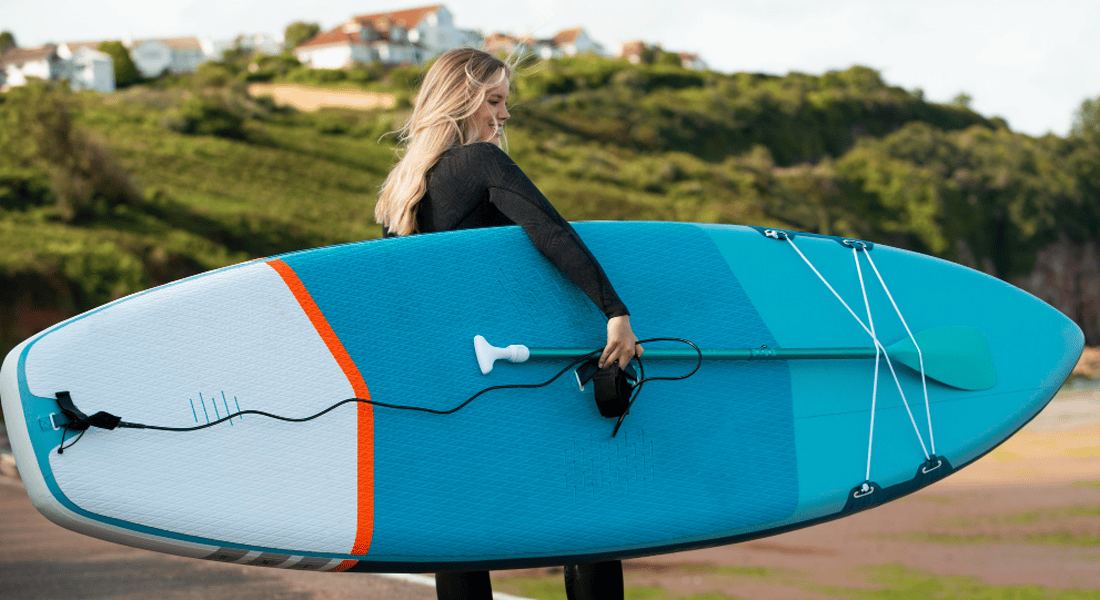
Inflatable paddle boards use a very different kind of engineering. Inside the board, thousands of tiny threads connect the top and bottom layers. This is called drop stitch construction. When the board is filled with air, those threads hold the shape flat and firm instead of letting it puff out like a pool float. The outside usually uses PVC layers, reinforced rails, and bonded seams to keep air in and water out.
The biggest benefit is convenience. You can deflate the board, roll it up, carry it in a bag, and store it in a closet or car trunk. That makes inflatable boards popular for travelers, apartment living, casual paddling, and families with limited storage space. Quality varies across inflatable boards, so stiffness, seams, rail design, and layer thickness all change the ride. A well built inflatable board can feel steady and surprisingly firm, while a basic one may flex more under your feet. That extra flex can affect balance, speed, and confidence when the water gets choppy underfoot too.
Learn More About Us
Soft Top Paddle Boards Built for Comfort and Learning
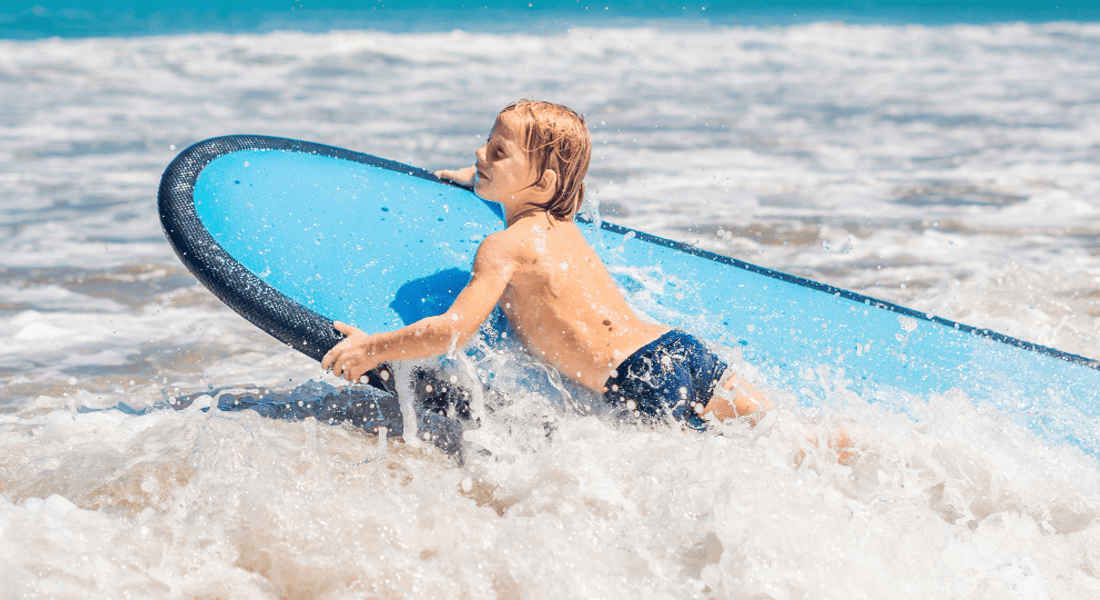
Soft top paddle boards are built with comfort and learning in mind, and they often use a solid structure with a softer foam surface across the deck. That cushioned top gives new paddlers a friendlier place to stand, kneel, or climb back on after a splash. It also helps reduce the sting from bumps during a first lesson or relaxed family session, which can help you stay playful instead of tense. This construction style is common in learning environments since it feels forgiving and approachable. The soft surface can give you confidence as you practice balance, paddle strokes, and basic turns. Soft top boards may not feel as fast or sharp as performance hard boards, yet they shine when comfort, safety, and easy handling come first, especially for beginners who want a smoother first session.
How Construction Changes Your Experience on the Water
Construction changes how a paddle board behaves from the moment you carry it to the water, so the right build can shape your whole session. A lighter board feels easier to lift, while a wider board often feels steadier when you stand and begin paddling. A stiffer board usually glides farther with each stroke, while a softer deck can feel calmer under your feet during your first few tries. Durability also changes with the build, so some boards handle travel, bumps, and frequent use better than others. Think about the ride you want before choosing a board, then connect that goal to the construction style. If you want speed and response, a firm hard board may suit you, while an inflatable board can fit easy storage and travel, and a soft top board can help you relax while learning on calm water or small waves.
Ready to Feel the Right Board Under Your Feet?
The best paddle board construction is the one that matches how you want to move on the water. A firm board can reward smooth strokes with glide and response, while a softer or inflatable build can make learning, carrying, storage, and relaxed cruising feel simpler. When you know how structure affects balance, speed, comfort, and durability, the choice becomes less confusing and much more personal.
At Ohana Surf Project, we help you feel those differences where they count, right on the water. Our stand up paddleboard rentals and lessons on Oahu give you a safe, friendly way to test your balance, build confidence, and understand which board feel suits your style. We also offer surfing and bodyboarding lessons, rentals, and photo options, so your ocean day can be easy, organized, and memorable from start to finish.
Ready to paddle with confidence? Book your lesson or rental with us today.
FAQs
What are stand up paddle boards usually made of?
Stand up paddle boards are usually made with a foam core, fiberglass, epoxy, PVC, drop stitch fabric, soft foam, or a mix of these materials. A hard board often uses foam wrapped in fiberglass and epoxy. An inflatable board uses drop stitch fabric with PVC layers. A soft top board adds cushioned foam for comfort.
Are inflatable paddle boards good for beginners?
Inflatable paddle boards can be a good choice for beginners who want easy storage, simple transport, and a steady ride. Their wider shapes often feel stable, while the air filled construction can feel forgiving under your feet. Quality affects stiffness, so a well built inflatable board usually gives better glide, balance, and control.
Which paddle board construction is best for learning?
For learning, comfort and stability should guide your choice. Soft top boards are often beginner friendly since the cushioned surface feels gentle when you kneel, fall, or climb back on. Inflatable boards can also work well for new paddlers who need portability. Hard boards may suit you once you want more glide and response.

OTHER OSP BLOGS
Paddle Board Construction: What Sets Different Types Apart?
Paddle board construction affects how a board feels, moves, and holds up on the water. Hard boards often give you better glide, speed, and response, while inflatable boards are easier[...]