Quick Summary

Bodyboarding is often easier for beginners in Hawaii because it does not require the pop-up and standing balance needed in surfing, allowing riders to experience waves from a stable prone position. However, both sports have different technical demands, and bodyboarding still requires skill, timing, and control as conditions become more advanced. Factors such as equipment, ocean conditions, and personal goals also influence how simple or challenging each discipline feels. While surfing has a steeper initial learning curve, both can become highly technical in Hawaiian surf.

blog-intro-new-bg-img
Is Bodyboarding Simpler Than Surfing In Hawaii? Is Bodyboarding Simpler Than Surfing In Hawaii?
Blogs

Is Bodyboarding Simpler Than Surfing In Hawaii?

For many travelers landing on the shores of Oahu or Maui, the call of the ocean is irresistible. The islands are the historic birthplace of wave riding, and the variety of ways to engage with the surf can be overwhelming. A common question among those looking to catch their first wave is: “Is bodyboarding easier than surfing?”

The warm waters and excellent waves of Hawaii make it an ideal destination for both surfers and bodyboarders, but the skill sets required for each are quite different. At Ohana Surf Project, we’re passionate about both bodyboarding and surfing, and we offer bodyboarding lessons to help newcomers make the right choice based on their interests and abilities.

Analyzing the Learning Curve

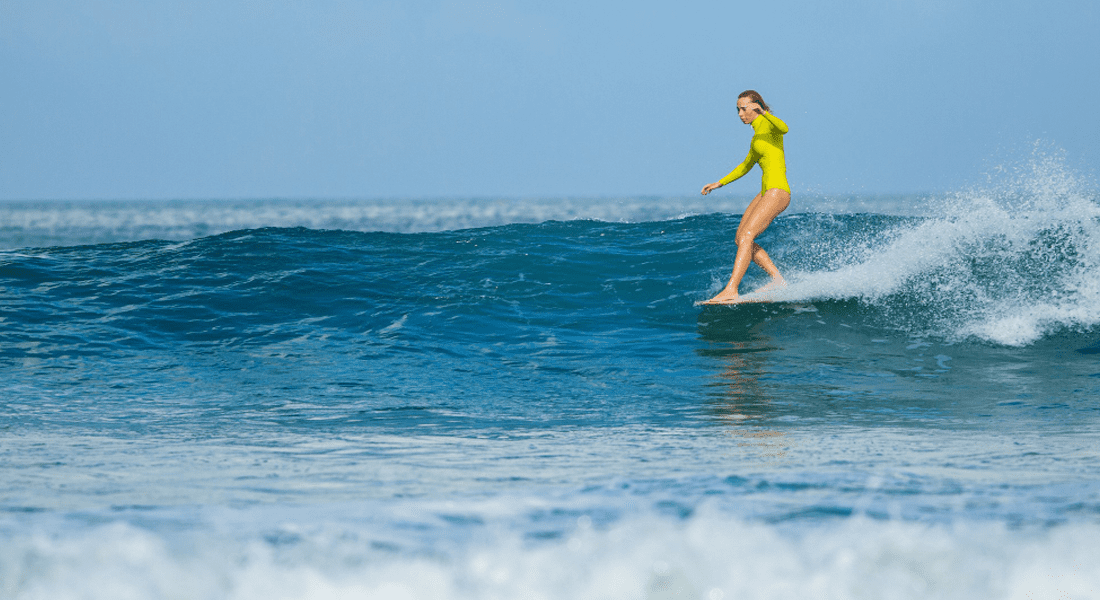
The reason people often ask if bodyboarding is easier generally comes down to the mechanics of the pop-up. In surfing, the transition from lying flat to standing on a moving board is the single biggest hurdle for novices. It requires core strength, explosive power, and a keen sense of equilibrium.

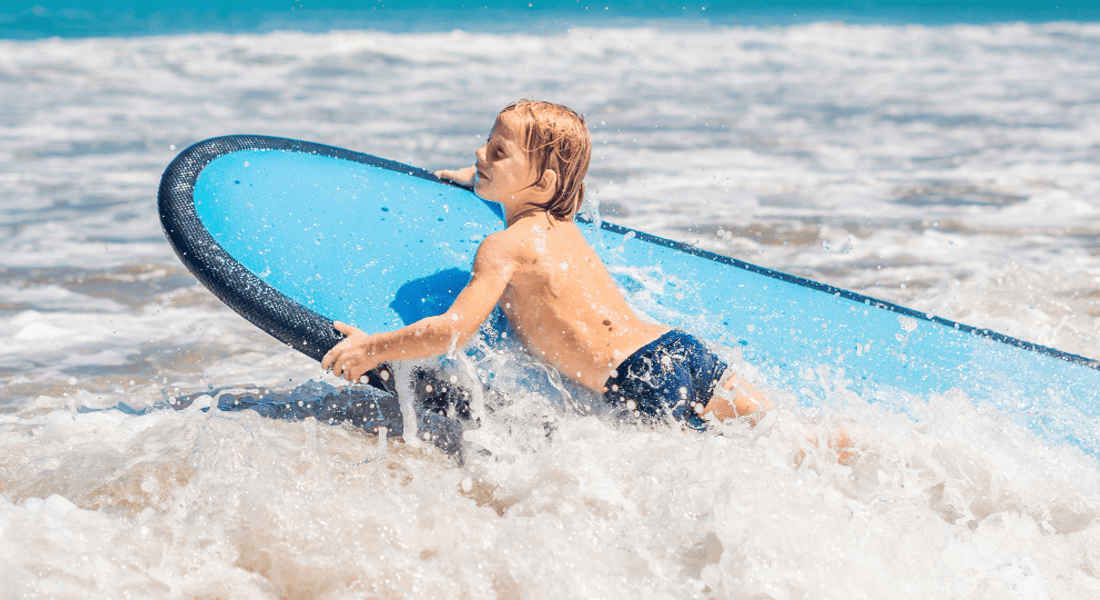
Bodyboarding removes this specific obstacle, as the rider remains in a prone position, using their chest and hips to steer the board. This proximity to the water provides an immediate sense of stability, which can make the initial experience feel much more successful for a first-timer.

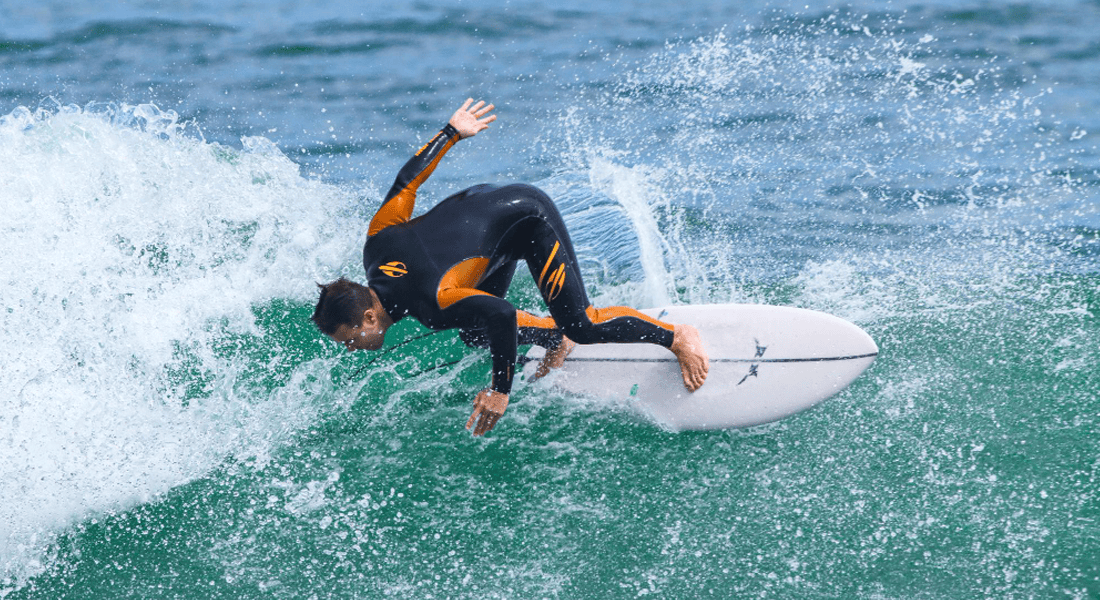
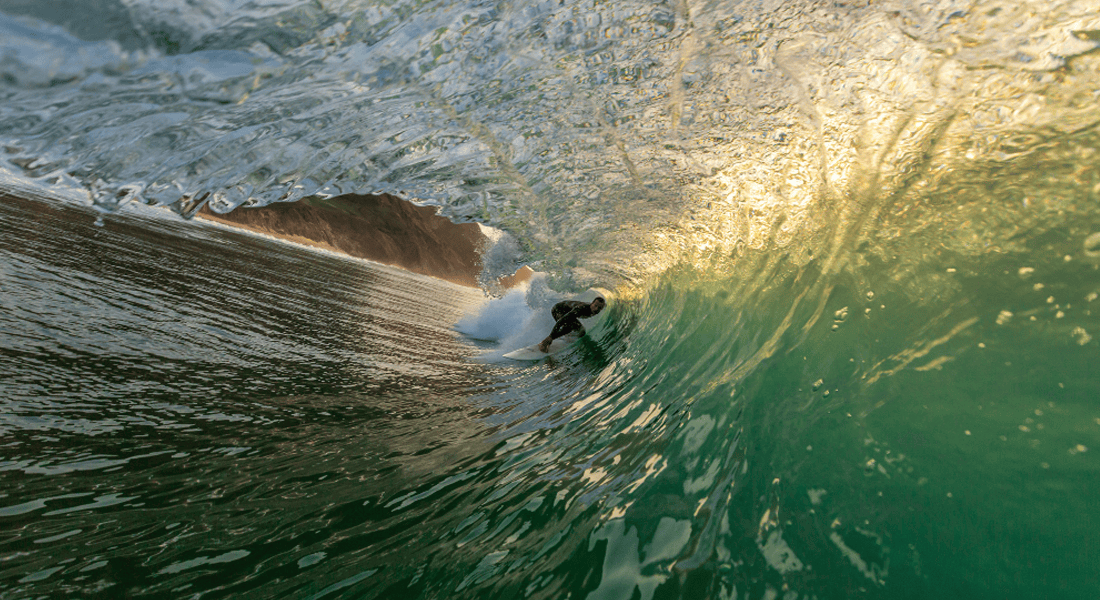
However, while a beginner might find it simpler to catch a small wave on a bodyboard, the technical ceiling of the sport is incredibly high. Maneuvering through a heavy barrel or launching into an aerial requires a level of precision and timing that rivals any standing surf performance.

The simplicity lies in the beginning; the complexity reveals itself as you begin to chase more challenging conditions at famous Hawaiian breaks, where the power of the water is unforgiving.

Physical Demands and Accessibility

Surfing typically puts a high demand on the upper body for paddling and the lower body for stability once standing. Bodyboarding, conversely, relies heavily on the legs for propulsion through the use of swim fins. This makes it an excellent option for those who might have lower back concerns or different types of physical limitations that make the standing pop-up difficult.

Finding Your Flow

When discussing prone wave riding in Hawaii, it is inevitable to consider the nuances of bodyboarding vs bodysurfing. Bodysurfing is the purest form of the art, using only the human body (and perhaps a hand plane) to slide down a wave.

While bodyboarding provides a buoyant platform that helps you catch waves earlier and ride them longer, bodysurfing requires a very specific understanding of wave energy and body tension. Both are fantastic ways to learn how the ocean moves, but a bodyboard offers that extra layer of stability and speed that most beginners crave when they are first venturing past the whitewater.

Learn More About Us
Is Bodyboarding Simpler Than Surfing In Hawaii? Is Bodyboarding Simpler Than Surfing In Hawaii?


The Role of Equipment in Your Success

The gear you choose significantly impacts how "simple" your session feels. A high-quality bodyboard with a stiff core will plane across the water much more effectively than a soft, cheap version from a big-box store.

Similarly, the use of proper swim fins is non-negotiable in Hawaii. The currents can be strong, and fins provide the engine necessary to outpace the breaking lip of a wave.

When your equipment is dialed in, the sport feels intuitive; when it isn't, you’ll find yourself working twice as hard for half the reward. Our bodyboard rentals at Ohana Surf Project provide high-quality equipment that is perfectly suited for the local conditions.

Tips for a Successful First Session

To make your introduction to Hawaiian waves as smooth as possible, keep these habits in mind:

  • Keep your weight forward on the board to drop into the wave rather than getting stuck on the crest.
  • Arch your back slightly and keep your head up to maintain a clear line of sight.
  • Use your fins to kick consistently until you feel the wave's energy take over your momentum.
  • Hold the "nose" or top corners of the board firmly to maintain control during the descent.
  • Always be aware of your surroundings, including other riders and the depth of the reef below you.

Take Your Skills to the Next Level

Start your ocean journey with confidence through professional bodyboarding lessons at Ohana Surf Project, where you will learn how to read Hawaiian waves, use proper equipment, and build strong foundational skills in the water. Whether you are choosing between surfing and bodyboarding or just getting started, book a session today and discover the best way to experience Hawaii’s waves safely and effectively.

FAQs

Is it safer to learn bodyboarding than surfing in Hawaii?

Safety depends largely on the break and the conditions, but bodyboarding can be safer for beginners because the board is soft and you are already close to the water's surface. However, because bodyboarders often ride closer to the impact zone where waves are most powerful, it is vital to understand ocean safety and reef depth before heading out.

Do I need to be a strong swimmer to bodyboard?

Yes, a basic level of swimming proficiency is required for any ocean sport. While the board provides buoyancy, swim fins are your primary source of power and safety in the water. You should be comfortable swimming in moving water and understand how to handle the occasional washout if you lose your board.

Can I transition to surfing after learning to bodyboard?

Absolutely. Many of the most important skills in surfing, such as timing, wave selection, and ocean awareness, are learned just as effectively on a bodyboard. In fact, starting prone can give you a better feel for the wave's power, which makes the transition to standing up much more intuitive later on.
This certification puts Ohana at the top — not just for surf, but for how we show up for Hawai‘i every day. View Certificate
BLOGS

OTHER OSP BLOGS

Is It Actually Possible To Surf On A Bodyboard?

Is It Actually Possible To Surf On A Bodyboard?

Bodyboarding and surfing share core wave-riding principles, and it is possible to apply surfing-style maneuvers on a bodyboard by using its buoyancy, rails, and positioning techniques. While bodyboarding is typically[...]
1 min read
1
Is Bodyboarding Simpler Than Surfing In Hawaii?

Is Bodyboarding Simpler Than Surfing In Hawaii?

Bodyboarding is often easier for beginners in Hawaii because it does not require the pop-up and standing balance needed in surfing, allowing riders to experience waves from a stable prone[...]
1 min read
1
Can You Really Bodyboard Without Fins?

Can You Really Bodyboard Without Fins?

Swim fins are an essential tool for bodyboarding, providing propulsion, control, and safety when riding waves. While finless bodyboarding is possible in small, shallow conditions, it significantly reduces speed, stability,[...]
1 min read
1