Physical and Mental Demands
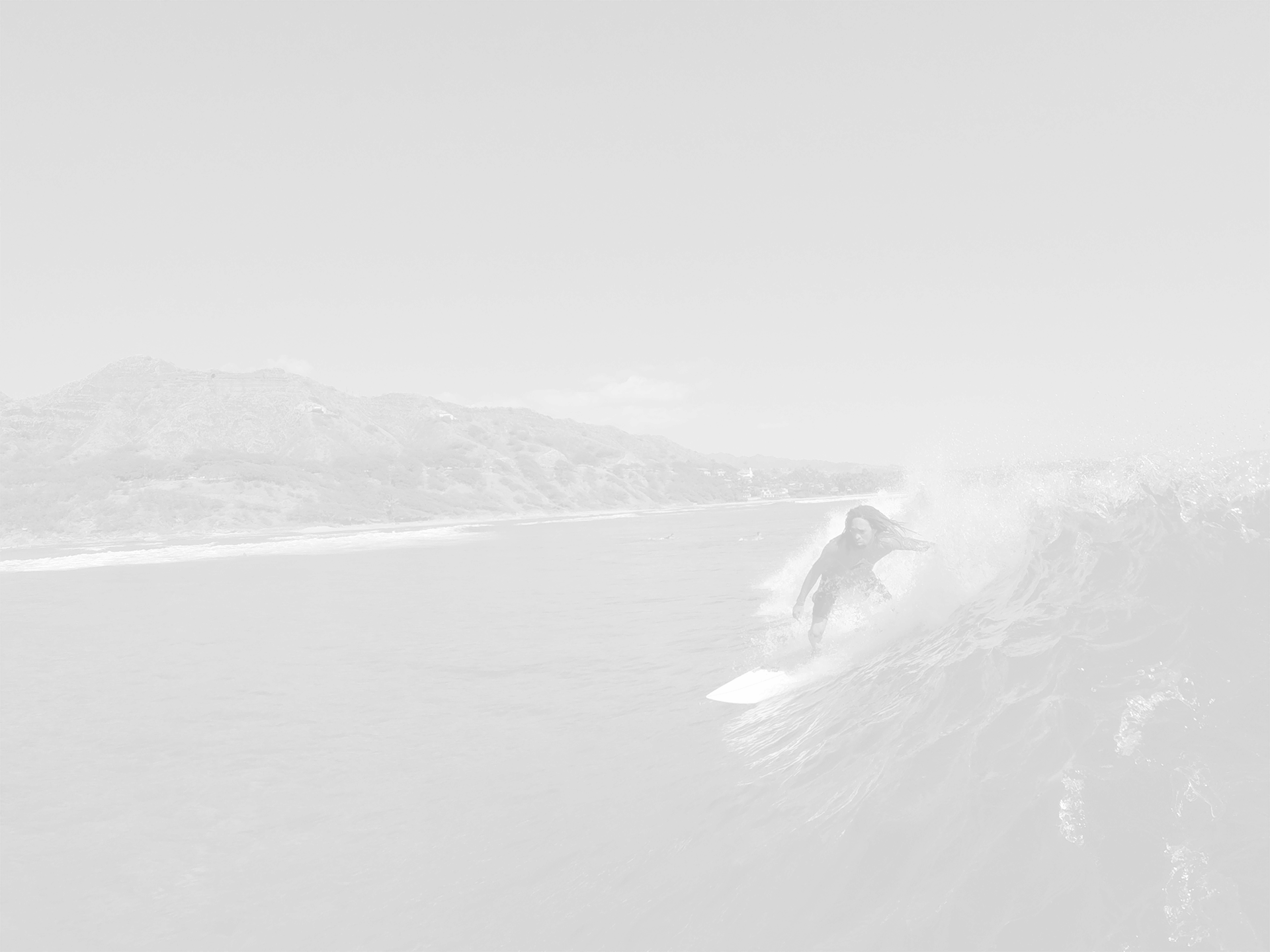
Both surfing and windsurfing engage the body and mind, but in slightly different ways. Surfing emphasizes core strength, balance, and paddling endurance.
Every wave presents a new challenge, requiring quick reflexes and a keen sense of timing. Mentally, surfers learn patience and focus, developing a strong awareness of the ocean’s rhythms.
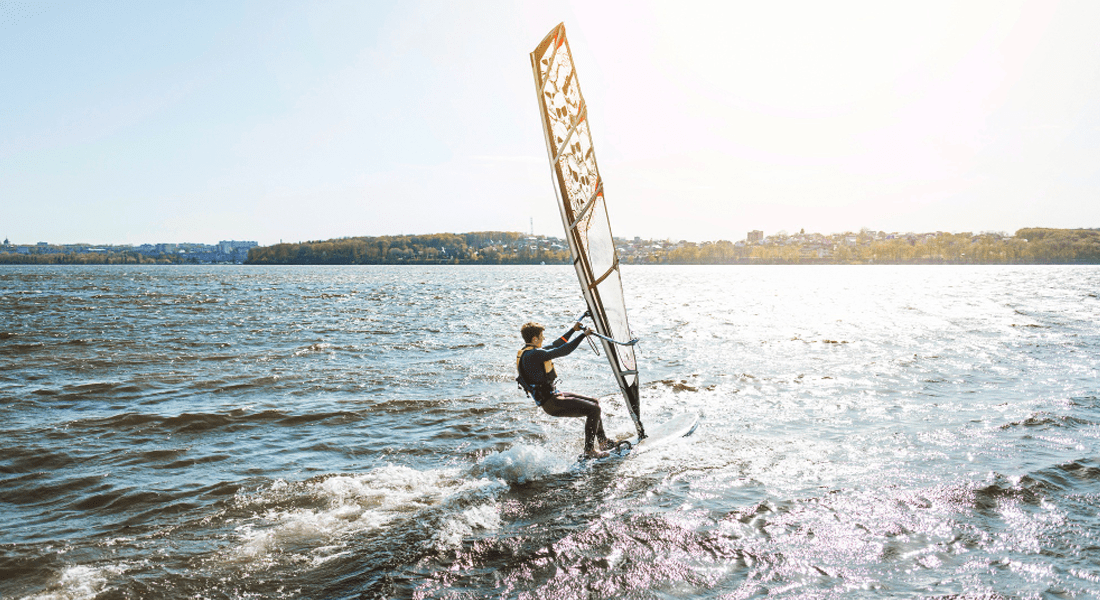
Windsurfing adds an extra layer of complexity, incorporating upper-body strength, coordination, and the ability to read wind patterns. Steering and controlling the sail while maintaining balance requires simultaneous mental and physical engagement. While this can be challenging at first, many windsurfers find the sense of accomplishment and the exhilarating feeling of gliding across the water immensely rewarding.
Learning Curve and Skill Levels
When deciding between surfing and windsurfing, it’s important to consider the learning curve. Surfing is often easier for beginners to pick up initially.
With proper instruction, most new surfers can stand on a board and catch small waves within a few sessions. The progression is gradual: from learning to paddle and pop up, to maneuvering along the wave’s face, and eventually exploring more challenging breaks.
Windsurfing, in contrast, generally requires a bit more patience at the start. Coordinating the sail while balancing on the board can feel overwhelming initially, but with consistent guidance, beginners gain confidence and control relatively quickly.
Once basic techniques are mastered, windsurfing allows for a broader range of motion and exploration than traditional surfing, particularly on open water with consistent wind. For thrill-seekers and those who enjoy mastering technical skills, windsurfing can be deeply satisfying.
Regardless of which path you choose, both sports reward persistence and practice. The key is finding a supportive learning environment with experienced instructors who can tailor lessons to your level and goals.
Accessibility and Adaptability
One of the remarkable things about both surfing and windsurfing is their adaptability. Surfing lessons can be customized for virtually any age or physical ability. Gentle waves in protected areas like Waikiki make it possible for first-timers to enjoy the experience safely, while advanced surfers can pursue more challenging conditions on the North Shore.
Adaptive surfing programs also exist, allowing individuals with physical or developmental challenges to experience the joy of riding waves with specialized equipment and supportive coaching.
Windsurfing also offers versatility, but it typically requires more strength and coordination. Beginners benefit from calm conditions and smaller sails, which make learning manageable. Advanced windsurfers can explore higher winds and more challenging waters, making the sport rewarding at multiple levels.
Ideal Locations for Surfing and Windsurfing
Choosing the right location is another factor that sets surfing and windsurfing apart. Surfing thrives on consistent waves. Hawaii, particularly Oahu, brings a unique combination of beginner-friendly breaks in Waikiki and world-class waves on the North Shore.
Windsurfing, meanwhile, benefits from open water and steady wind conditions. Locations like Hawaii’s Kaneohe Bay or Maui’s north coast provide ideal conditions for learning and practicing windsurfing. Unlike surfing, where wave conditions can vary daily, windsurfing can often be enjoyed even when waves are small, making it accessible year-round in the right environments.
How Ohana Surf Project Can Help
At Ohana Surf Project, we understand that choosing between surfing and windsurfing can feel daunting, especially if it’s your first time on the water. That’s why we offer professional guidance and personalized surfing lessons designed to meet you where you are.
Whether you want to stand up on a surfboard for the first time or learn to harness the wind with a sail, our instructors will tailor every session to your skill level, goals, and comfort. Book your lesson today and start your adventure with confidence!