Learning Curve and Progression
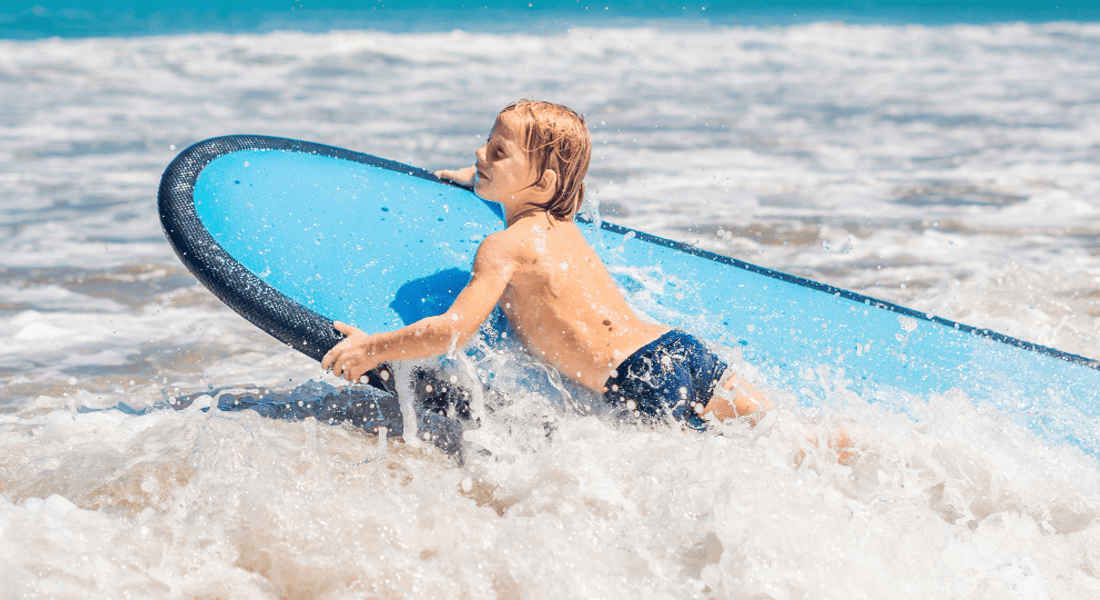
Early progress often feels very different between these two board sports. Success in the water depends on timing, positioning, and patience before even standing up. Waves do not arrive on a schedule, which means practice includes waiting, observing, and choosing the right moment. Small improvements feel meaningful because each successful ride reflects awareness rather than repetition. Progress tends to come gradually, shaped by conditions rather than fixed drills.
Movement on snow follows a more predictable pattern, which affects how skills develop. Beginner areas allow repeated attempts within a short time frame. Turning, stopping, and balance improve through consistent runs on similar terrain. Muscle memory builds quickly because the surface responds the same way each time. Advancement often feels faster at first, while long term mastery still demands technique, confidence, and comfort as speed and terrain complexity increase over time.
Physical Demands and Movement
Movement patterns set these sports apart in noticeable ways. Time in the water places strong emphasis on paddling, which builds upper body strength and stamina. Core engagement stays constant while adjusting to shifting water beneath the board. Standing moments require quick activation through the legs to stabilize balance. Fatigue often comes from repeated paddling and holding a position against currents.
Action on snow relies more heavily on lower body strength and joint control. Legs manage turns, pressure, and speed while the upper body supports balance. Motion flows downhill without the need to generate forward momentum. Endurance comes from repeated runs and sustained muscle tension through the knees and hips. Physical strain feels different because effort concentrates on controlled descent rather than continuous propulsion across a moving surface.
Mental Approach and Overall Experience
Mindset shapes how riders connect with each sport from the first attempt. Time in the ocean rewards patience, observation, and comfort with uncertainty. Waiting for waves becomes part of the experience rather than a pause between rides. Moments of motion feel earned because they follow awareness and timing. This rhythm encourages presence and respect for natural forces.
Snow covered slopes invite a more direct mental approach focused on speed and control. Runs follow a clear path, which allows attention to stay on technique and flow. Repetition builds confidence as riders refine movements through consistent conditions. The experience often feels fast paced and energetic, shaped by momentum rather than timing. Both sports offer satisfaction, yet they appeal to different mental preferences and expectations. Choosing between them depends on how you prefer to respond to challenge and environment. Personal comfort with uncertainty often guides that decision. This difference matters over time.
Ready to Choose Your Board Adventure
Choosing between ocean waves and snowy slopes comes down to how you like to move, think, and connect with your surroundings. One setting asks for patience, timing, and comfort with change, while the other rewards repetition, speed, and controlled descent. Both sports build balance and confidence in different ways. Understanding these contrasts helps you make a choice that fits your energy level, travel plans, and personal goals.
At Ohana Surf Project, we guide people who feel curious about the water and want a supportive first experience. Our surf lessons focus on clear instruction, safety, and quality time in the ocean. Experienced instructors adjust each session to your comfort level while sharing real insight about waves and movement. Optional photo packages let you relive progress and share memories long after the session ends.
Ready to try surfing for yourself? Join us on Oahu and experience the ocean with guidance designed to build confidence and enjoyment together.