Equipment Choices That Improve Bodyboarding Safety
Equipment affects control, comfort, and confidence. Board size and volume should match height and weight to plane smoothly without diving. A properly fitted leash keeps the board nearby after wipeouts and reduces drifting into others. Fins provide drive and steering, with fit being essential to prevent cramps and blisters during longer sessions.
Waxed decks, snug wrist or bicep cuffs, and sun protection enhance grip, circulation, and focus. This reduces minor slips and distractions that could interrupt timing in crowded Waikiki lineups.
Smart Safety Habits That Reduce Risk Every Session
Good habits enhance safety more than wave size alone. Checking conditions before entering sets expectations and reduces surprises, allowing paddlers to anticipate how waves and currents may shift during their session. Staying near lifeguarded areas provides visual reference points and quick support if assistance is needed.
Observing the lineup for several minutes shows where waves break, how people exit, and how water moves between sets, giving a clear picture of potential hazards. Fatigue affects balance and judgment faster than many realize. Pacing, taking breaks, staying hydrated, and leaving the water when focus fades all protect your body and help prevent accidents.
Calm entries, clear exits, and respectful spacing keep sessions smooth, enjoyable, and safe for everyone sharing Waikiki waters during busy periods.
Is Bodyboarding Safe For Kids, Families, And First-Timers?
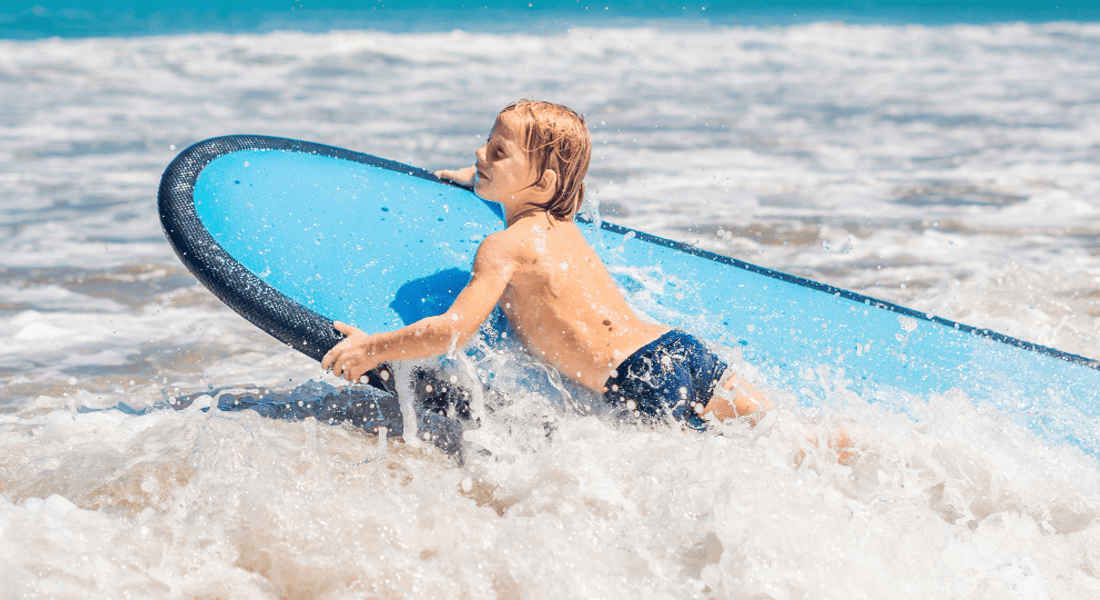
Many families choose bodyboarding for its approachable nature and low height exposure. Safety improves when kids and beginners stick to shallow areas with gentle waves and clear visibility, reducing the chance of falls or unexpected wipeouts.
Adult supervision is crucial because conditions can change quickly, even on seemingly calm days. Smaller boards, soft fins, and short sessions help younger riders stay comfortable, attentive, and engaged. Teaching simple signals, entry points, and exit plans builds confidence early and creates a safer environment for learning.
Waikiki has areas where waves roll slowly, supporting practice at a relaxed pace and letting families progress naturally. With patience, clear guidance, and mindful awareness, bodyboarding can become a positive first ocean experience for all ages while minimizing risk and building lasting enjoyment.
Ride With Confidence And Enjoy Bodyboarding The Right Way
Safety in bodyboarding comes from awareness, preparation, and respect for the ocean. Board position, equipment fit, local conditions, and personal habits shape every session. Waikiki offers inviting waters, yet reefs, tides, and currents require attention. Reading the lineup, pacing energy, and selecting suitable areas naturally build confidence. Knowledge transforms uncertainty into calm decision-making, keeping fun at the center of each session.
We support safer bodyboarding through guided instruction built around local knowledge and clear communication. Our bodyboarding lessons focus on wave reading, entry timing, and controlled rides that match your comfort level. We also offer surf lessons for those curious about standing waves, plus board and fin rentals sized correctly for your session. In water, guidance helps visitors learn faster while staying relaxed. Every experience is shaped to fit the Waikiki conditions.
Join us in the water and learn bodyboarding with confidence. Book a lesson or rental and start a Waikiki session today.